

Curtis’s Botanical Magazine holds a special place in the history of botanical art and science. First published in 1787 by British botanist William Curtis, this influential magazine is famous for its detailed plant illustrations and lasting contributions to botanical knowledge. Its story spans more than two centuries of discovery, artistry, and innovation.

Founding and Early Years
William Curtis was a passionate botanist and entomologist. He wanted to bridge the gap between scientific plant studies and the growing interest in gardening among the public. In the late 18th century, amateur gardeners were eager to learn about exotic plants arriving in Britain through colonial trade. Curtis saw the need for a publication that combined accurate scientific descriptions with beautiful hand-colored illustrations.
The first issue of The Botanical Magazine appeared in 1787. Curtis wrote many of the plant descriptions himself. Early issues focused on plants cultivated in British gardens, especially newly introduced exotic species. The magazine quickly found a devoted audience of plant lovers, gardeners, and scientists.
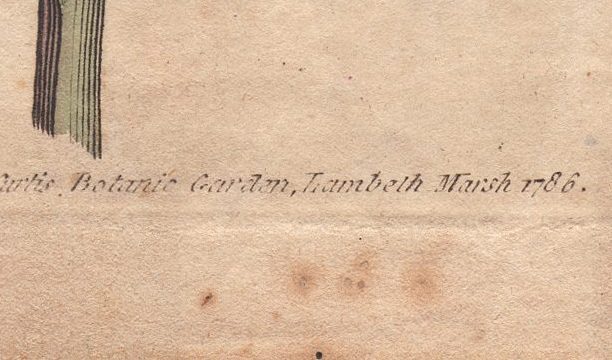
Image above: Plate 2 Purple Rudbeckia from The Botanical Magazine. The inscription below the image records its creation date as March 1786, predating the publication of the first volume by one year.
Artistic Excellence
From the start, the The Botanical Magazine was celebrated for its high-quality botanical illustrations. Each plate was a hand-colored engraving created by leading artists such as James Sowerby, Sydenham Edwards, and Walter Hood Fitch. Their meticulous work set a new standard for botanical art.
James Sowerby (1757–1822) contributed the majority of plates in Volumes 1 through 6 (1787–1793). While he was not the only artist working for Curtis, his output during this period was substantial.
Sydenham Teast Edwards (1768–1819) was one of the most prolific and influential artists in the history of Curtis’s Botanical Magazine. After James Sowerby’s initial work on the earliest volumes, Edwards became the primary illustrator from the late 1780s through the 1810s, creating over 1,600 plates for the magazine.
Walter Hood Fitch (1817–1892) was the third major botanical artist associated with Curtis’s Botanical Magazine, following James Sowerby (founding period) and Sydenham Edwards (late 18th–early 19th century). Fitch’s contribution is extraordinary in both scale and duration: he produced nearly 10,000 plates over more than 40 years, making him the most prolific botanical illustrator in the magazine’s history.

Plate 12 Mead’s Dodecatheon, or American Cowslip by James Sowerby
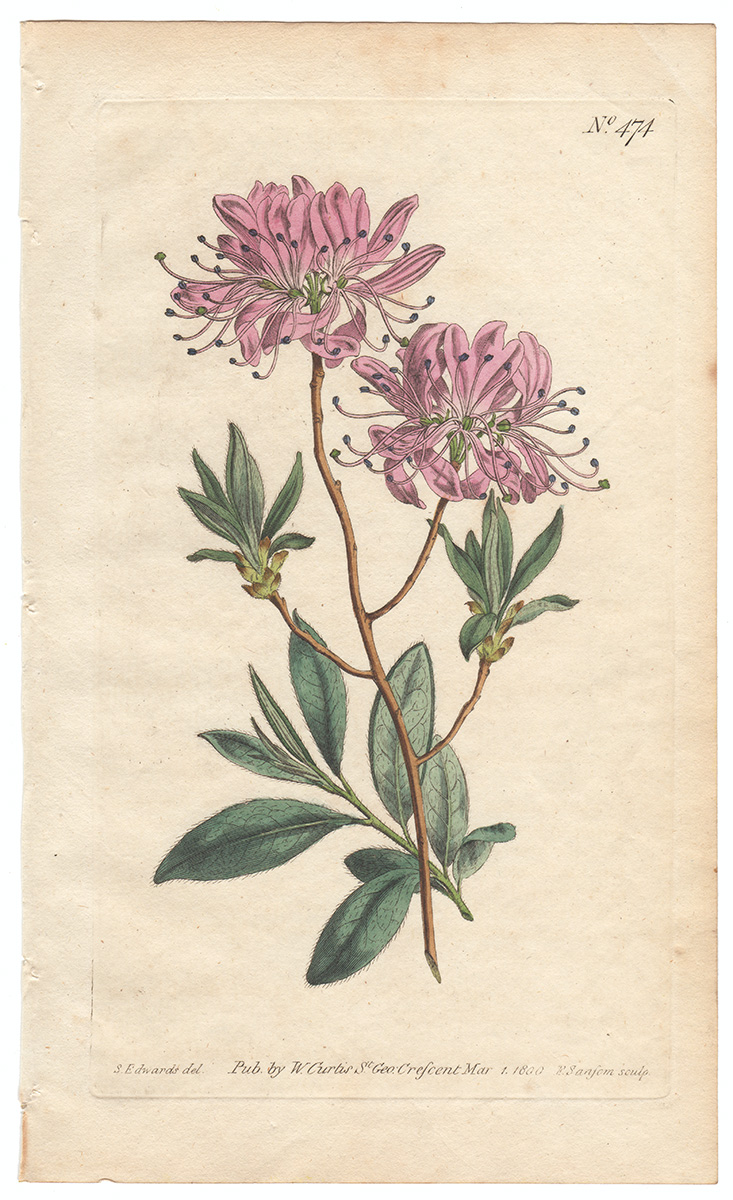
Plate 474 Canadian Rhodora by Sydenham Edwards

Plate 3766 Petiolated Lasiandra by Walter Hood Fitch
Text Pages
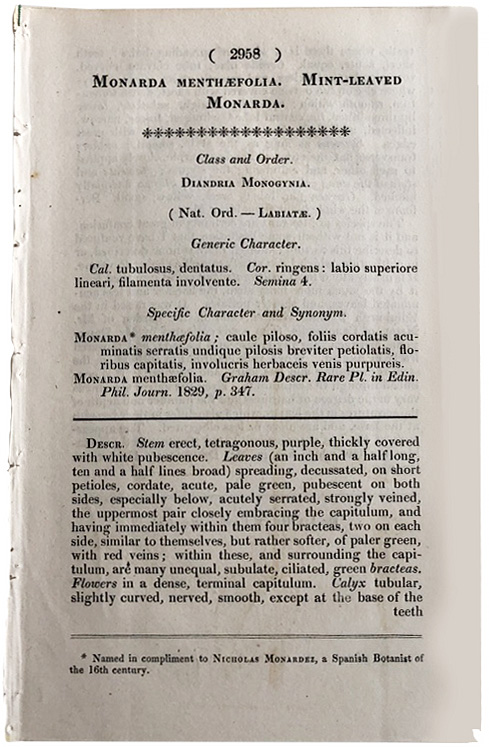
Each illustration in Curtis’s Botanical Magazine was accompanied by a page or more of descriptive text, which was just as important as the image itself. These entries combined Linnaean taxonomy, morphological description, cultivation advice, and often medicinal or practical notes, making the magazine a valuable scientific and horticultural resource.
William Curtis wrote many of the earliest texts. Each entry began with the plant’s scientific name and classification, followed by a clear description of its physical features—such as leaves, flowers, and seeds. Practical sections explained how to cultivate and propagate the plant, offering guidance on soil, climate, and flowering seasons. This was essential for gardeners working with exotic species newly introduced to Britain.
Many entries also included historical or geographical notes, such as the plant’s native range or its uses in medicine and agriculture. Over time, as editors like John Sims and William and Joseph Hooker took over, the texts grew more systematic and globally informed, reflecting Kew Gardens’ expanding role in plant research. Authors often signed their contributions, providing valuable records for modern botanists and historians.
Together, the plates and text formed a complete botanical record: the image provided a faithful likeness, while the text gave scientific context and practical knowledge. This combination is a key reason Curtis’s Botanical Magazine remains both a beautiful art publication and an essential reference work.
Transition to Kew Gardens
Curtis died in 1799, but the publication continued under new editors. In 1826, Sir William Jackson Hooker, director of the Royal Botanic Gardens, Kew, acquired the magazine. He moved its editorial base to Kew and expanded its global scope.
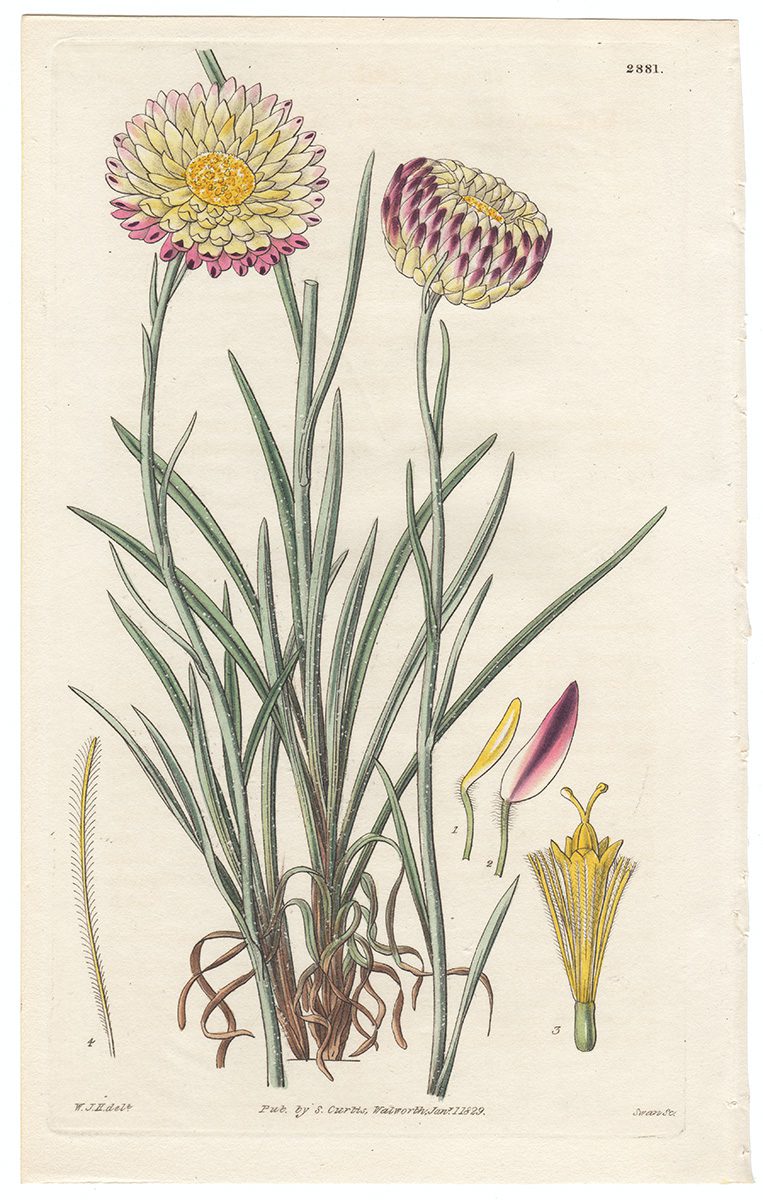
Sir William Jackson Hooker (1785–1865) is most famous today as a botanist, taxonomist, and later Director of the Royal Botanic Gardens, Kew, but he was also an accomplished botanical artist and lithographer in his earlier years. His direct contribution of plates to Curtis’s Botanical Magazine is much smaller than those of Sowerby, Sydenham Edwards, or Walter Hood Fitch, but his editorial and artistic direction shaped the magazine profoundly during the mid-19th century.
Under Hooker’s leadership, the magazine featured plants from around the world and highlighted the role of botanical institutions in exploration and conservation. The connection with Kew Gardens gave the publication added scientific authority and prestige.
Image: Plate 2881 Hoary-leaved Elichrysum illustrated by William Jackson Hooker whose initials are in the lower left corner of the print.
A Legacy of Continuity
One of the magazine’s most remarkable qualities is its longevity. It is among the oldest continuously published botanical journals in the world. Over the centuries, it has documented thousands of plant species, many illustrated for the first time.
The magazine adapted to changing printing technologies. It moved from hand-colored engravings to chromolithography in the 19th century and later to modern printing methods. Despite these shifts, it has maintained its commitment to high-quality botanical illustration and authoritative descriptions.
Modern Contributions
Today, Curtis’s Botanical Magazine is published quarterly by Kew Gardens. It features stunning plant portraits created with both traditional and digital techniques. The magazine now places greater emphasis on conservation, biodiversity, and the role of plants in addressing global challenges like climate change.
It remains a trusted resource for botanists, horticulturists, artists, and plant enthusiasts. Its combination of accuracy, artistry, and historical continuity makes it a cornerstone of botanical literature.
Cultural and Historical Impact
The influence of Curtis’s Botanical Magazine goes beyond science. It has shaped public appreciation of botanical art and plant diversity for over 230 years. Its accessible writing and exquisite illustrations have inspired generations of gardeners, naturalists, and artists, deepening our connection to the plant world.
From its humble beginnings in 1787 to its current status as a prestigious journal, the magazine has stayed true to William Curtis’s vision—combining beauty, knowledge, and accessibility. Its enduring appeal lies in its ability to connect people with plants and celebrate the rich diversity of the natural world.
-

Plate 2867 Drooping-flowered Desmodium, Curtis Botanical Magazine 1828 antique engraving
Price range: $22.50 through $270.00
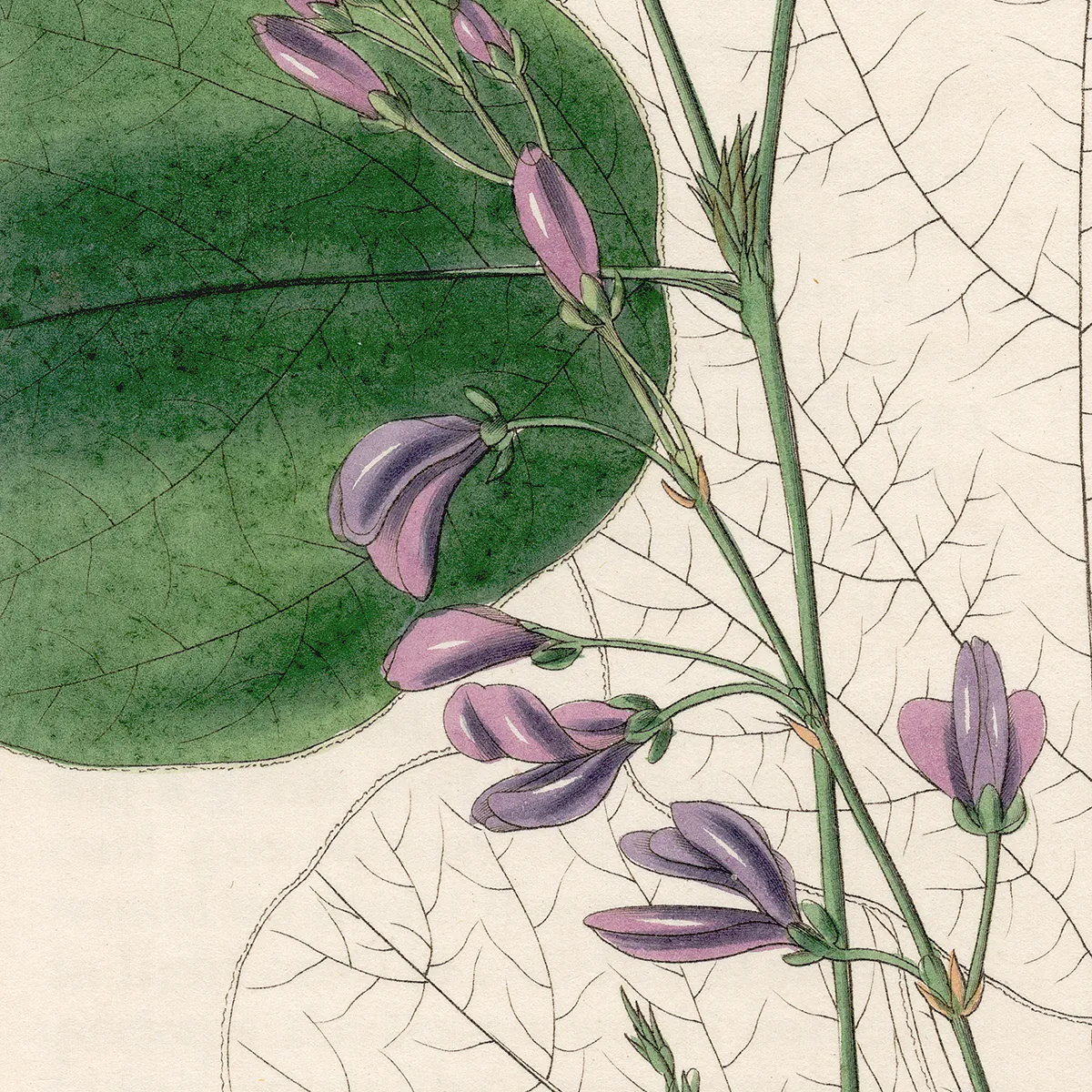
Plate 2867 Drooping-flowered Desmodium, Curtis Botanical Magazine 1828 antique engraving
Price range: $22.50 through $270.00Original hand-colored antique botanical engraving from Curtis’s Botanical Magazine, or Flower-Garden Displayed, published in 1828. Created by botanist William Jackson Hooker, this botanical illustration is from one of the world’s longest-running natural history publications.
Quick View This product has multiple variants. The options may be chosen on the product page -

Plate 2845 Square-stalked Justicia, Curtis Botanical Magazine 1828 antique engraving
Price range: $22.50 through $270.00
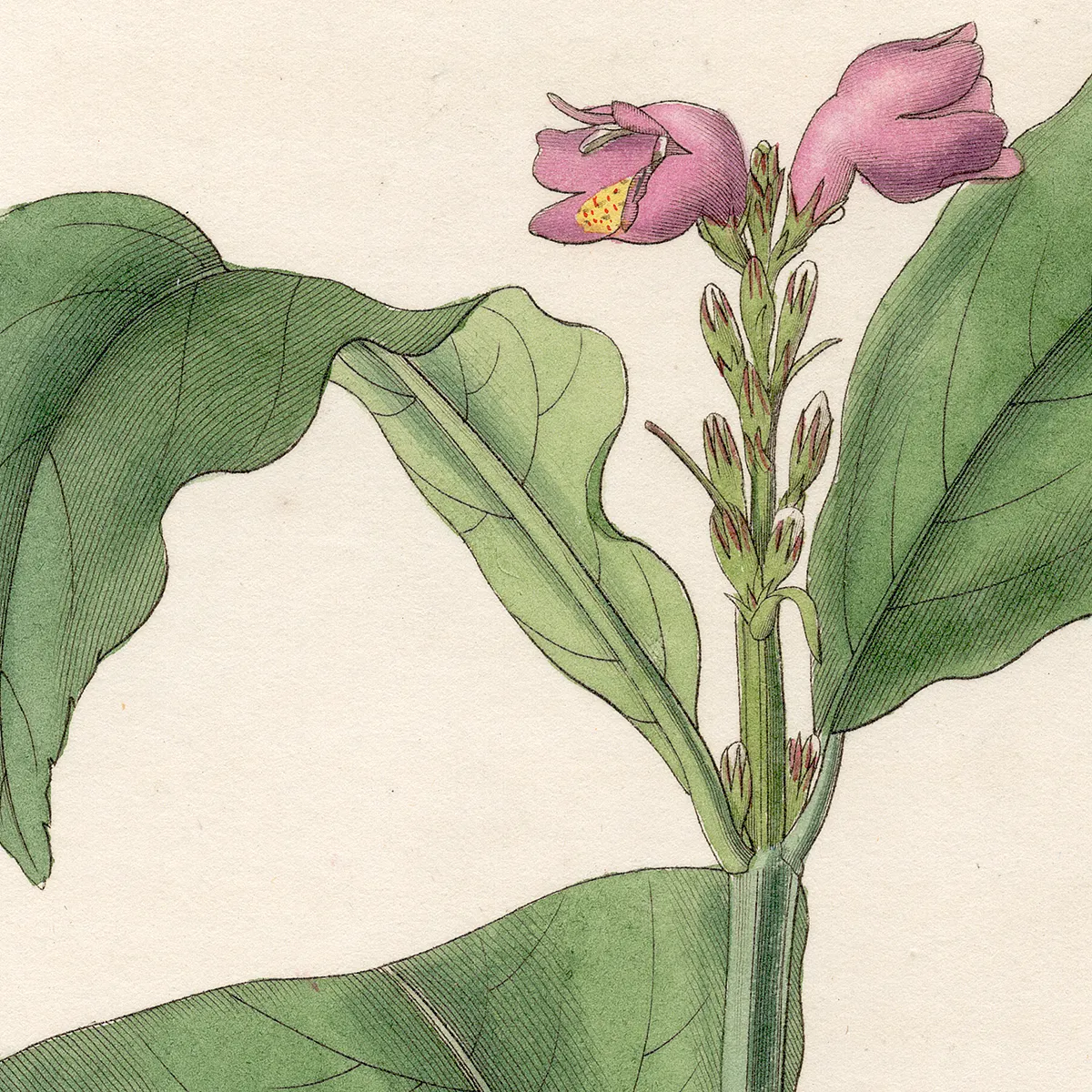
Plate 2845 Square-stalked Justicia, Curtis Botanical Magazine 1828 antique engraving
Price range: $22.50 through $270.00Original hand-colored antique botanical engraving from Curtis’s Botanical Magazine, or Flower-Garden Displayed, published in 1828. Created by botanist William Jackson Hooker, this botanical illustration is from one of the world’s longest-running natural history publications.
Quick View This product has multiple variants. The options may be chosen on the product page -

Plate 2840 Bell-flowered Hedyotis, Curtis Botanical Magazine 1828 antique engraving
Price range: $22.50 through $270.00
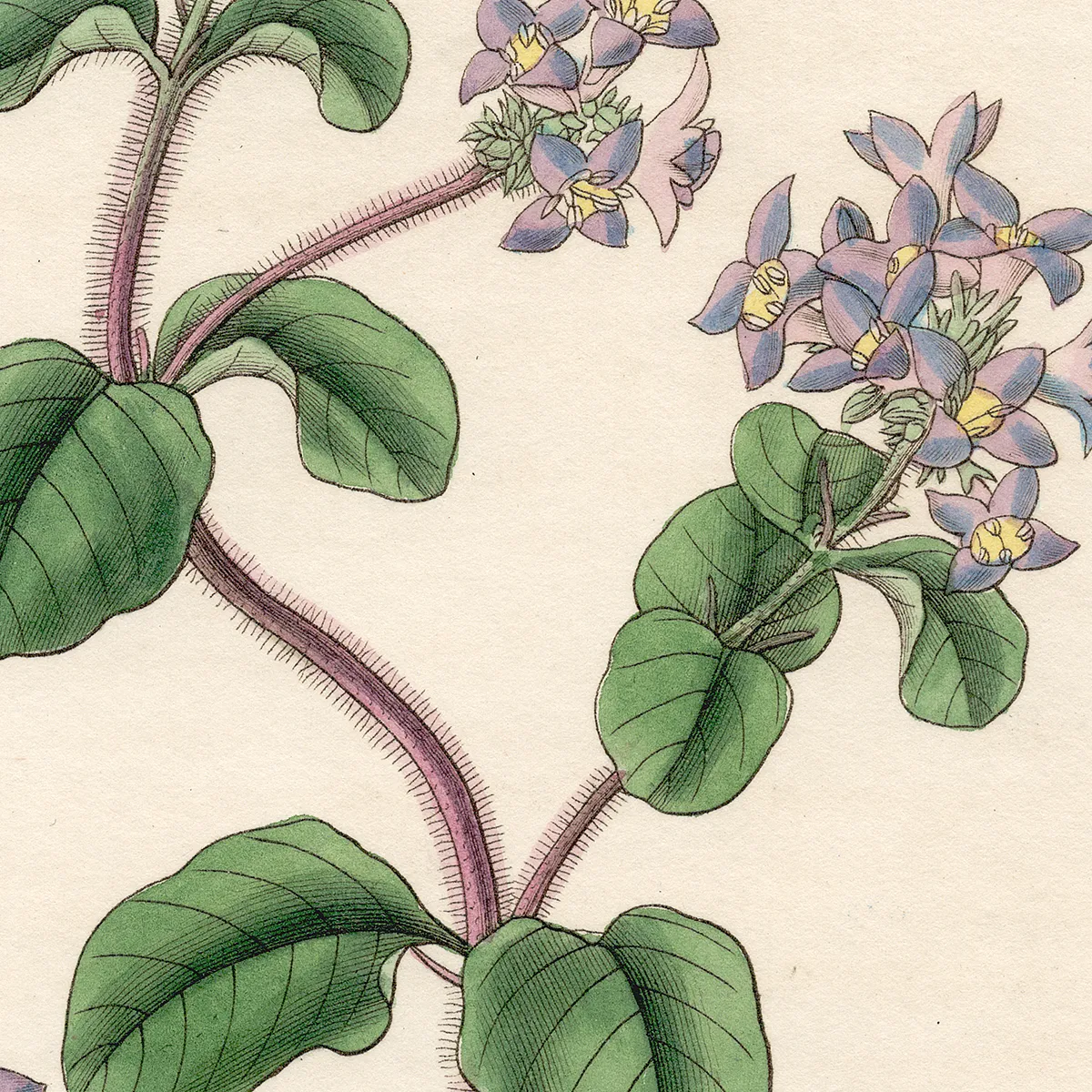
Plate 2840 Bell-flowered Hedyotis, Curtis Botanical Magazine 1828 antique engraving
Price range: $22.50 through $270.00Original hand-colored antique botanical engraving from Curtis’s Botanical Magazine, or Flower-Garden Displayed, published in 1828. Created by botanist William Jackson Hooker, this botanical illustration is from one of the world’s longest-running natural history publications.
Quick View This product has multiple variants. The options may be chosen on the product page -

Plate 2837 Glaucous-leaved Tobacco, Curtis Botanical Magazine 1828 antique engraving
Price range: $22.50 through $270.00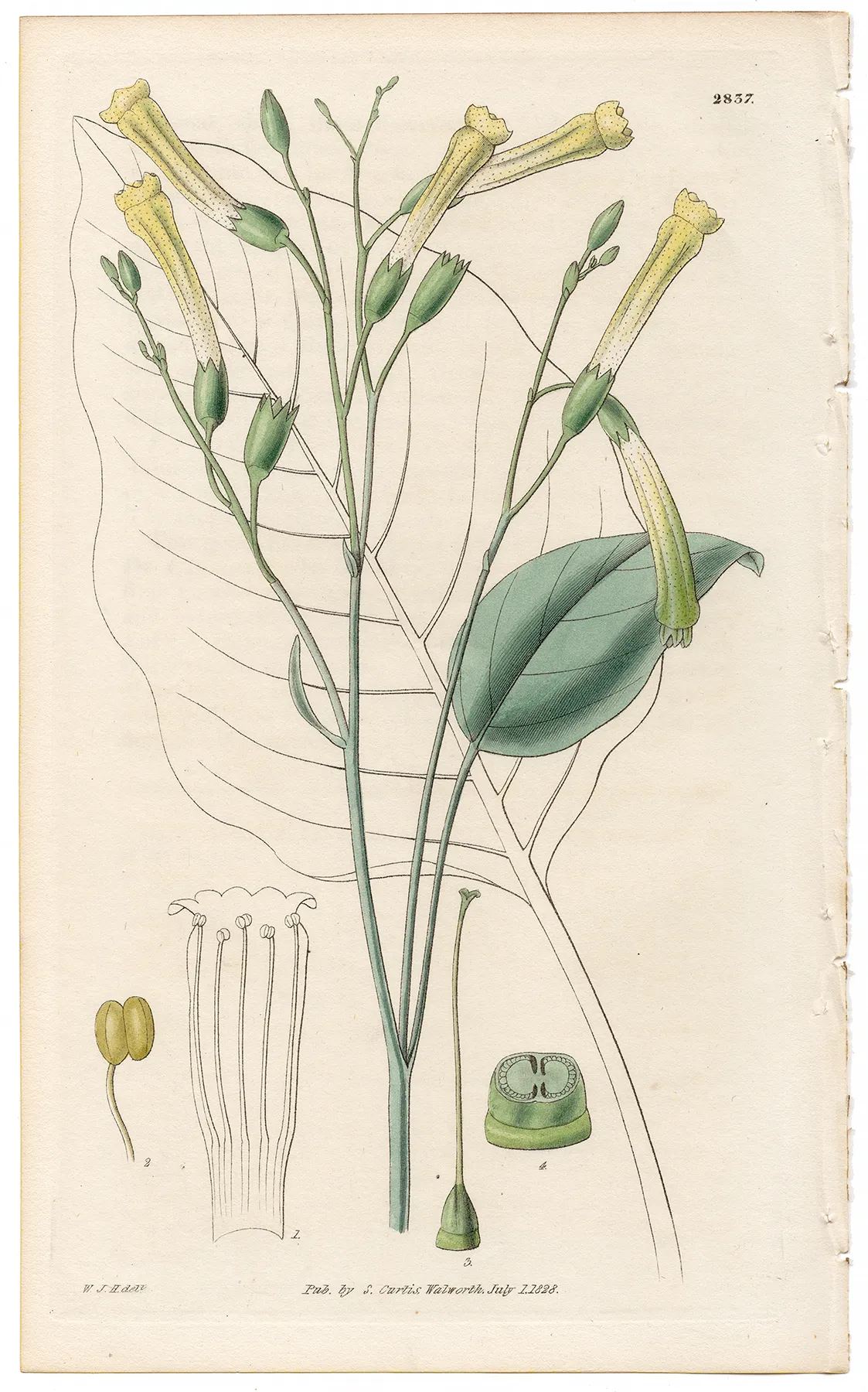
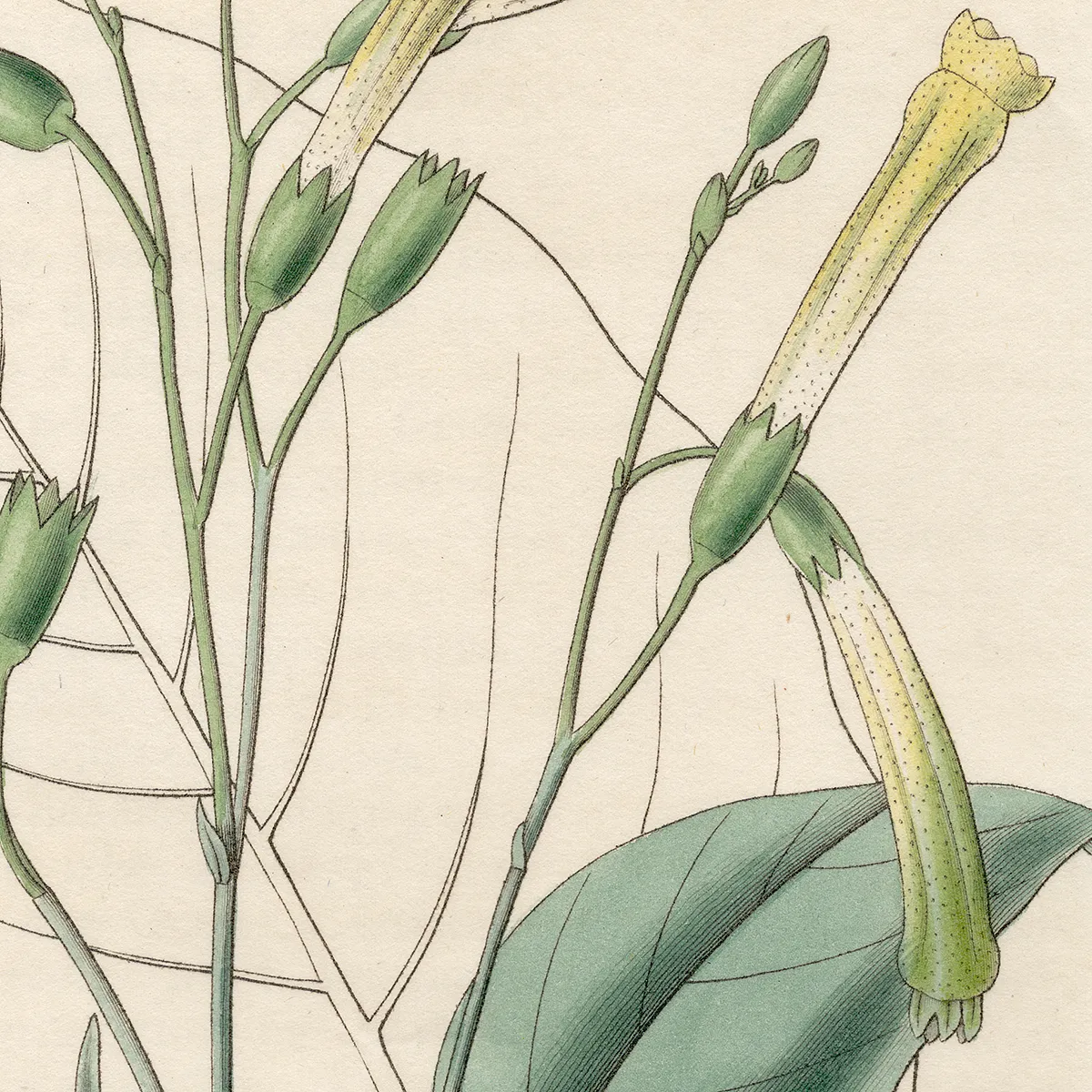
Plate 2837 Glaucous-leaved Tobacco, Curtis Botanical Magazine 1828 antique engraving
Price range: $22.50 through $270.00Original hand-colored antique botanical engraving from Curtis’s Botanical Magazine, or Flower-Garden Displayed, published in 1828. Created by botanist William Jackson Hooker, this botanical illustration is from one of the world’s longest-running natural history publications.
Quick View This product has multiple variants. The options may be chosen on the product page -
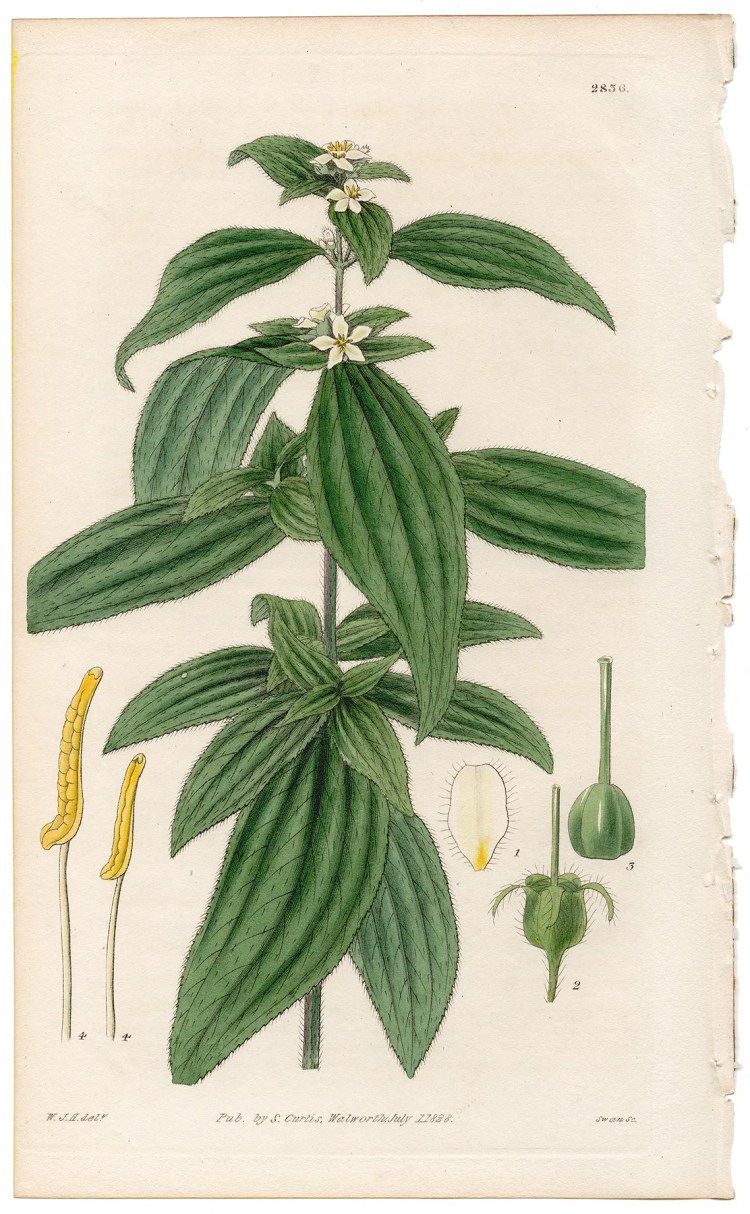
Plate 2836 Lance-leaved Chaetogastra, Curtis Botanical Magazine 1828 antique engraving
Price range: $22.50 through $270.00
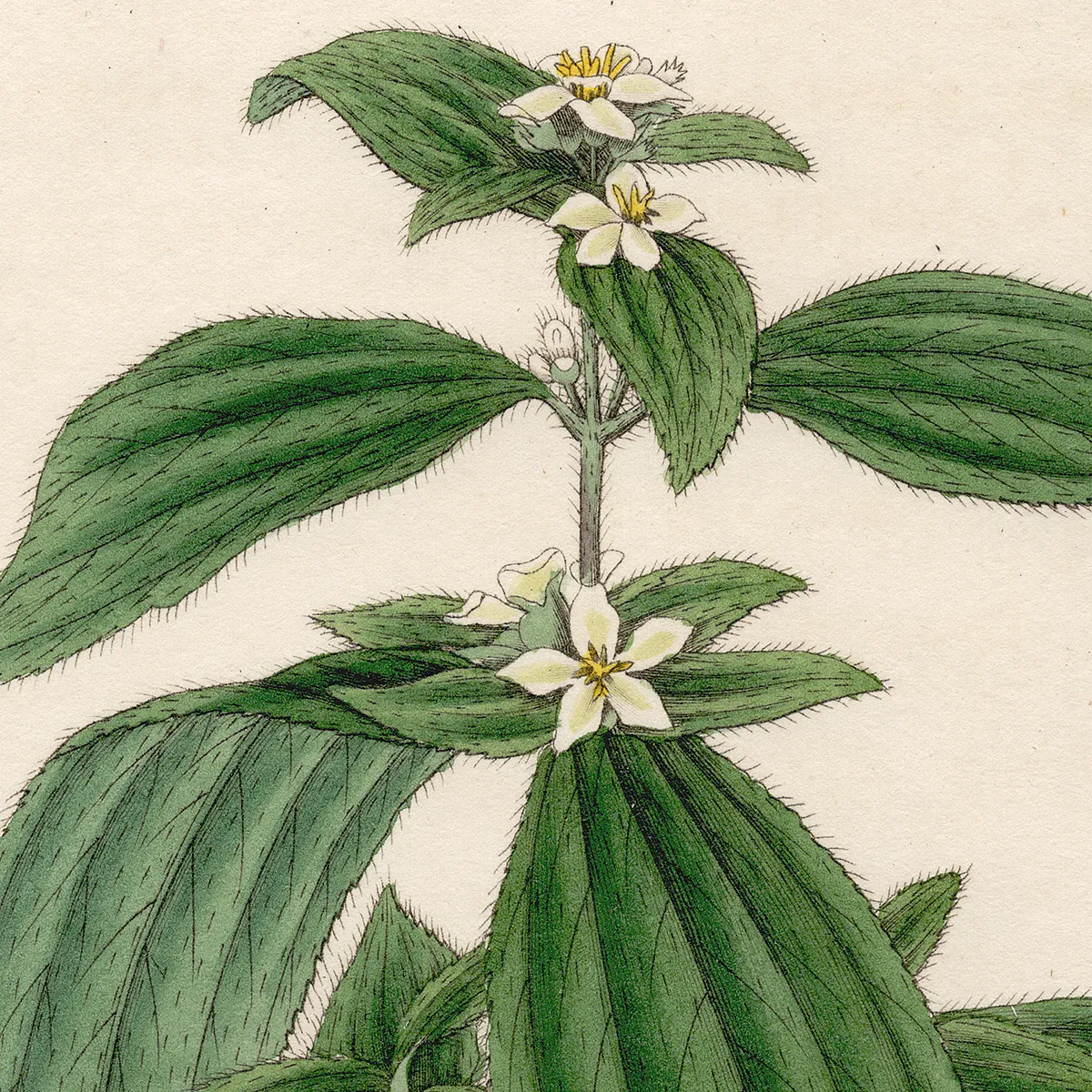
Plate 2836 Lance-leaved Chaetogastra, Curtis Botanical Magazine 1828 antique engraving
Price range: $22.50 through $270.00Original hand-colored antique botanical engraving from Curtis’s Botanical Magazine, or Flower-Garden Displayed, published in 1828. Created by botanist William Jackson Hooker, this botanical illustration is from one of the world’s longest-running natural history publications.
Quick View This product has multiple variants. The options may be chosen on the product page -

Plate 2823 Serrated-leaved Octomeria, Curtis Botanical Magazine 1828 antique engraving
Price range: $22.50 through $270.00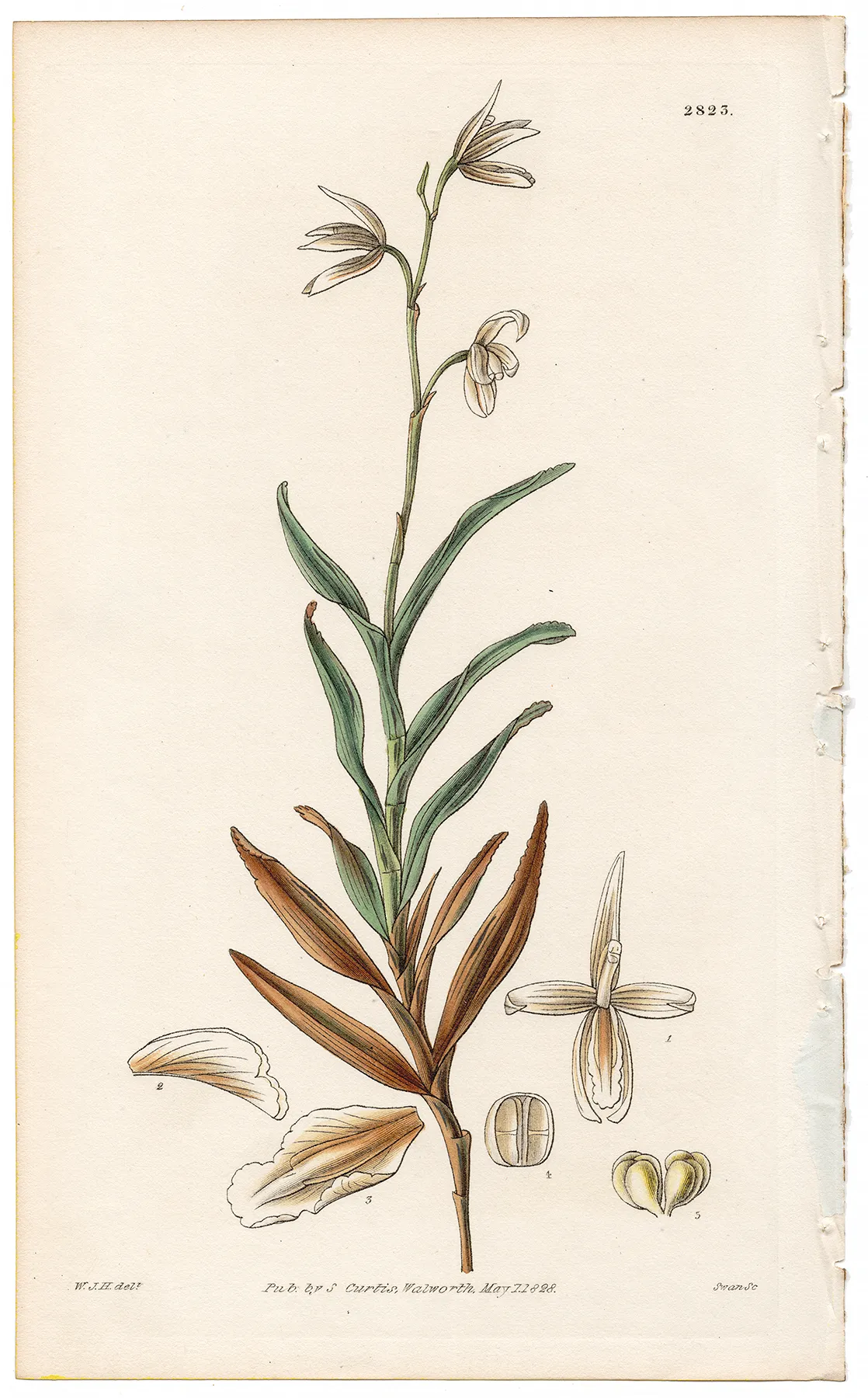
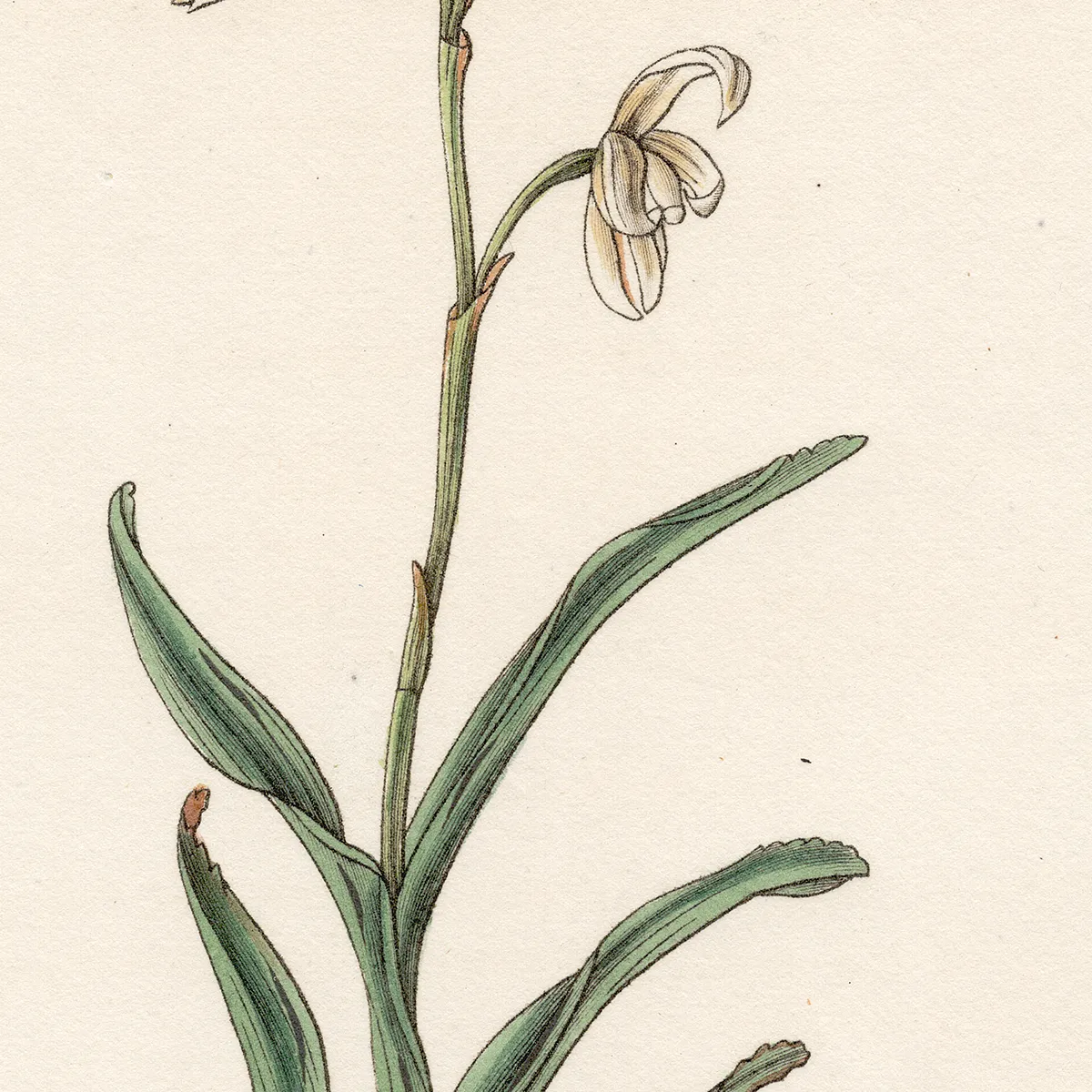
Plate 2823 Serrated-leaved Octomeria, Curtis Botanical Magazine 1828 antique engraving
Price range: $22.50 through $270.00Original hand-colored antique botanical engraving from Curtis’s Botanical Magazine, or Flower-Garden Displayed, published in 1828. Created by botanist William Jackson Hooker, this botanical illustration is from one of the world’s longest-running natural history publications.
Quick View This product has multiple variants. The options may be chosen on the product page -
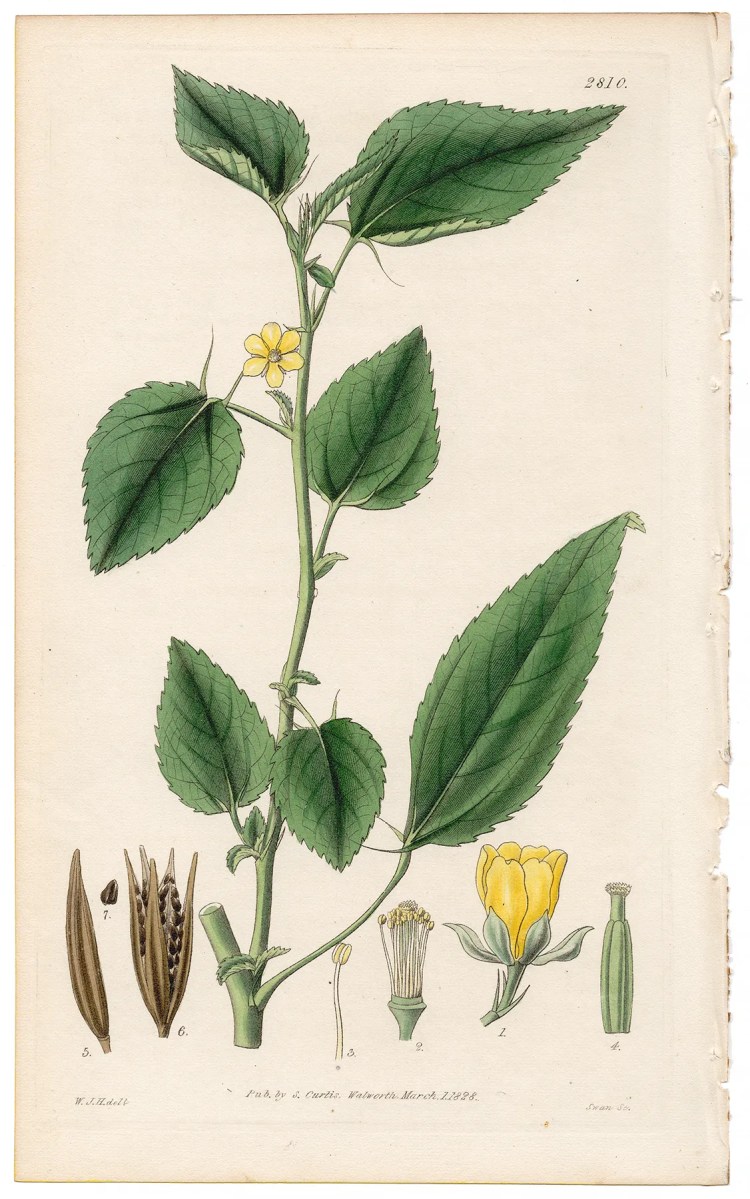
Plate 2810 Bristly-leaved Corchorus, Curtis Botanical Magazine 1828 antique engraving
Price range: $22.50 through $270.00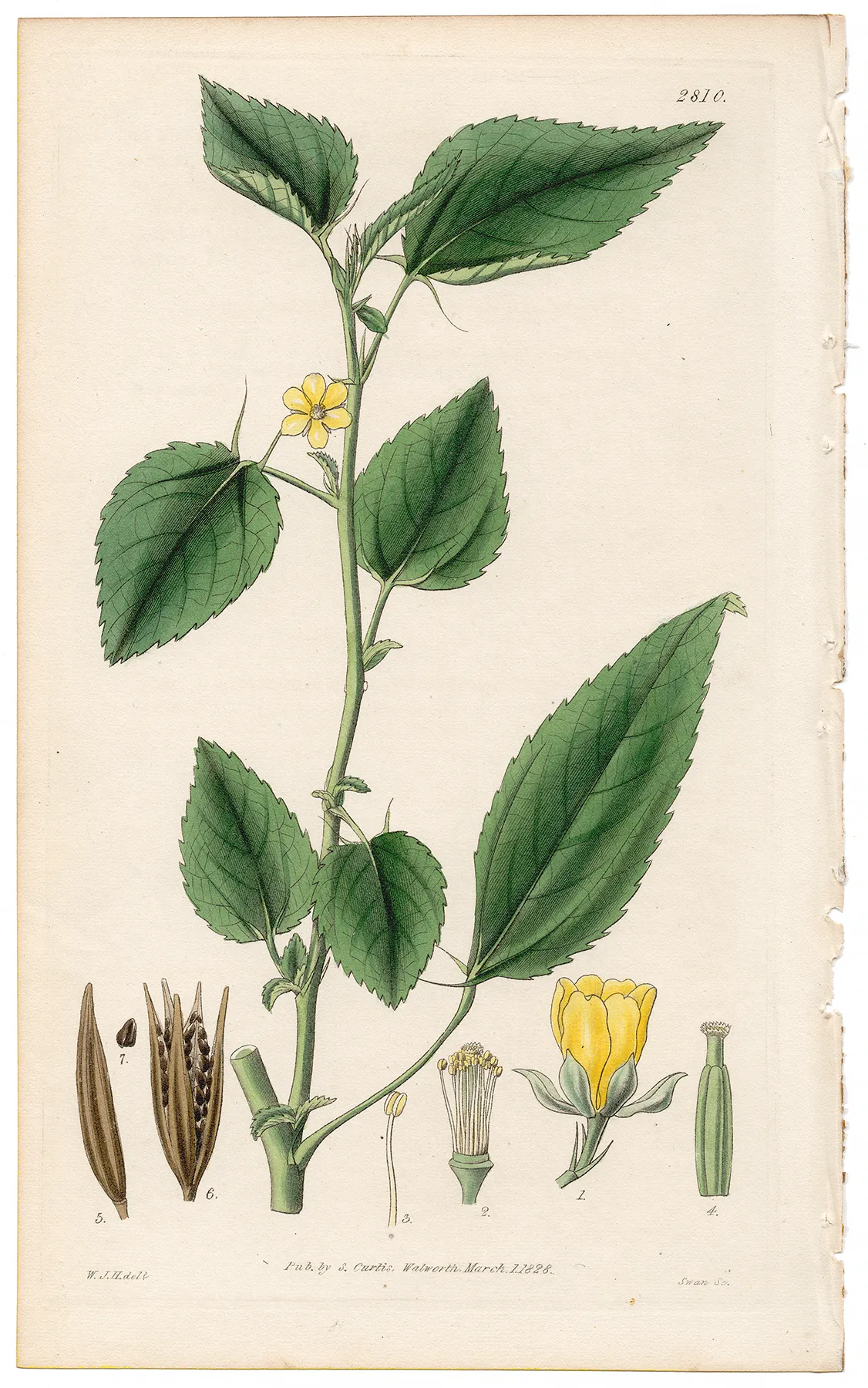
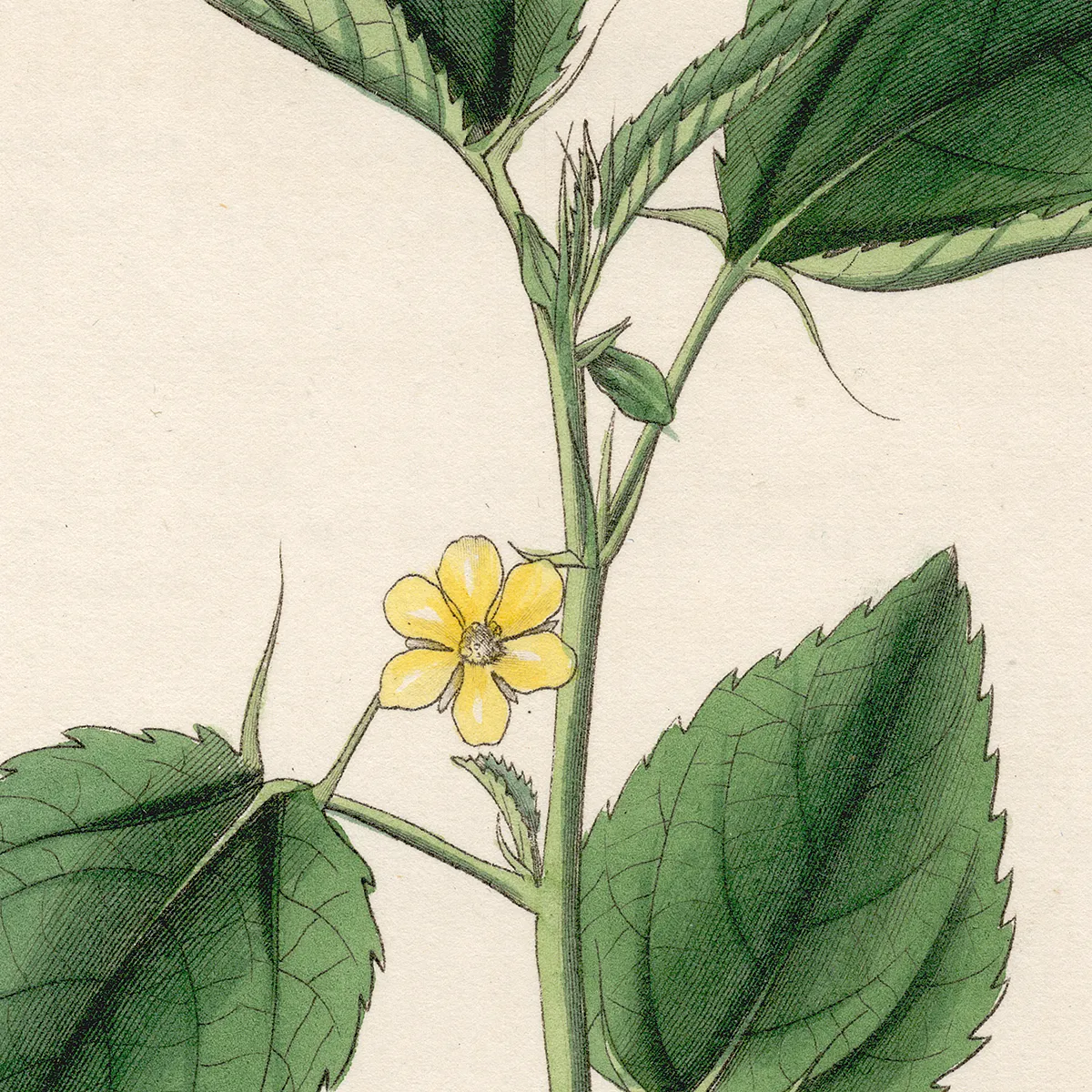
Plate 2810 Bristly-leaved Corchorus, Curtis Botanical Magazine 1828 antique engraving
Price range: $22.50 through $270.00Original hand-colored antique botanical engraving from Curtis’s Botanical Magazine, or Flower-Garden Displayed, published in 1828. Created by botanist William Jackson Hooker, this botanical illustration is from one of the world’s longest-running natural history publications.
Quick View This product has multiple variants. The options may be chosen on the product page -
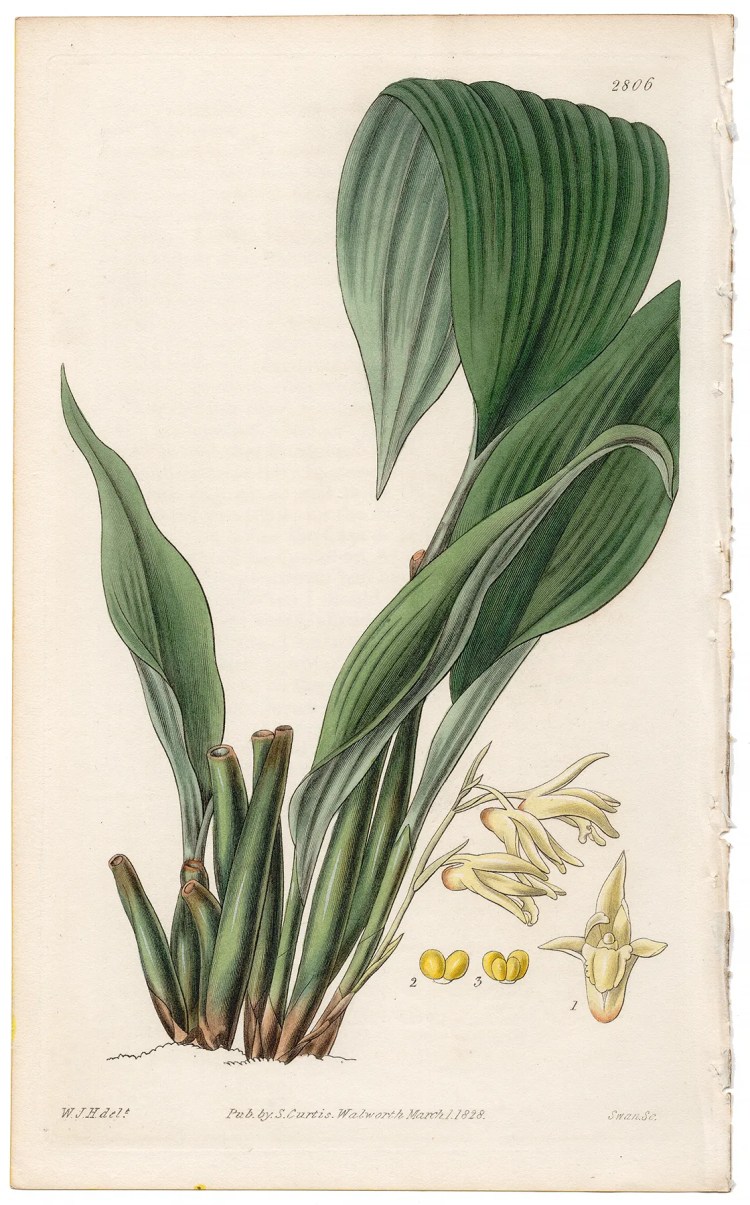
Plate 2806 Pale-flowered Maxillaria, Curtis Botanical Magazine 1828 antique engraving
Price range: $22.50 through $270.00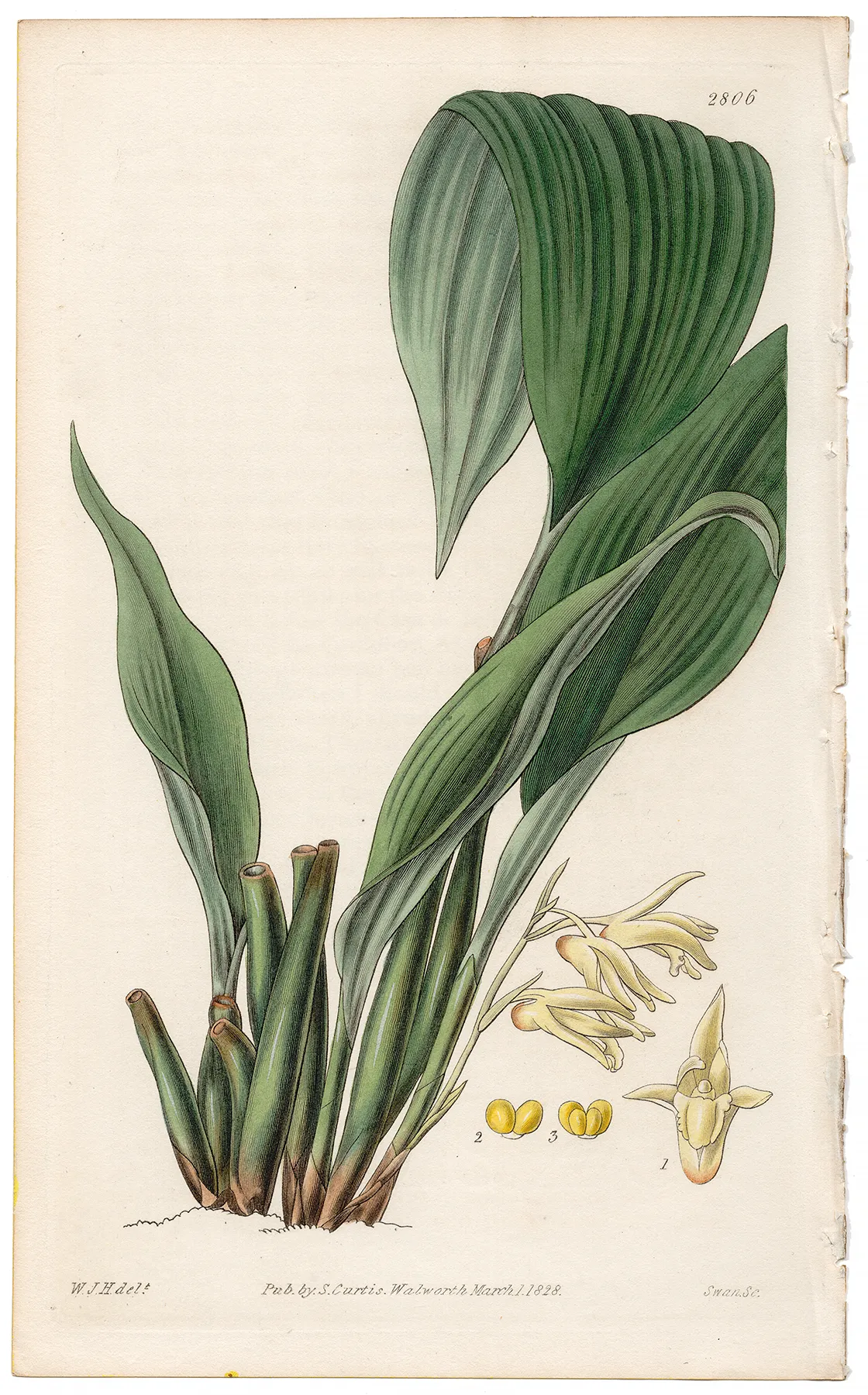
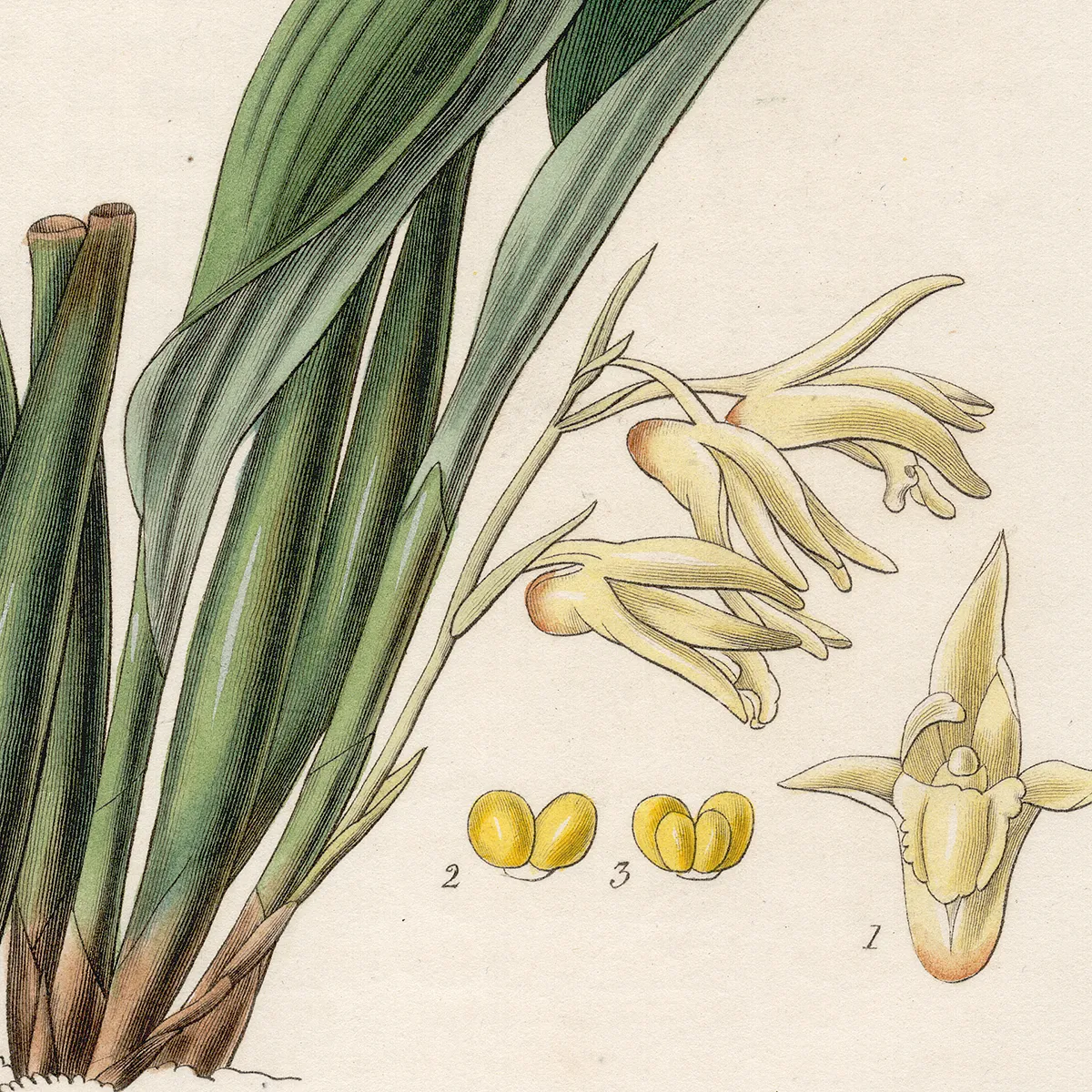
Plate 2806 Pale-flowered Maxillaria, Curtis Botanical Magazine 1828 antique engraving
Price range: $22.50 through $270.00Original hand-colored antique botanical engraving from Curtis’s Botanical Magazine, or Flower-Garden Displayed, published in 1828. Created by botanist William Jackson Hooker, this botanical illustration is from one of the world’s longest-running natural history publications.
Quick View This product has multiple variants. The options may be chosen on the product page -

Plate 2804 Peziza-flowered Dorstenia, Curtis Botanical Magazine 1828 antique engraving
Price range: $22.50 through $270.00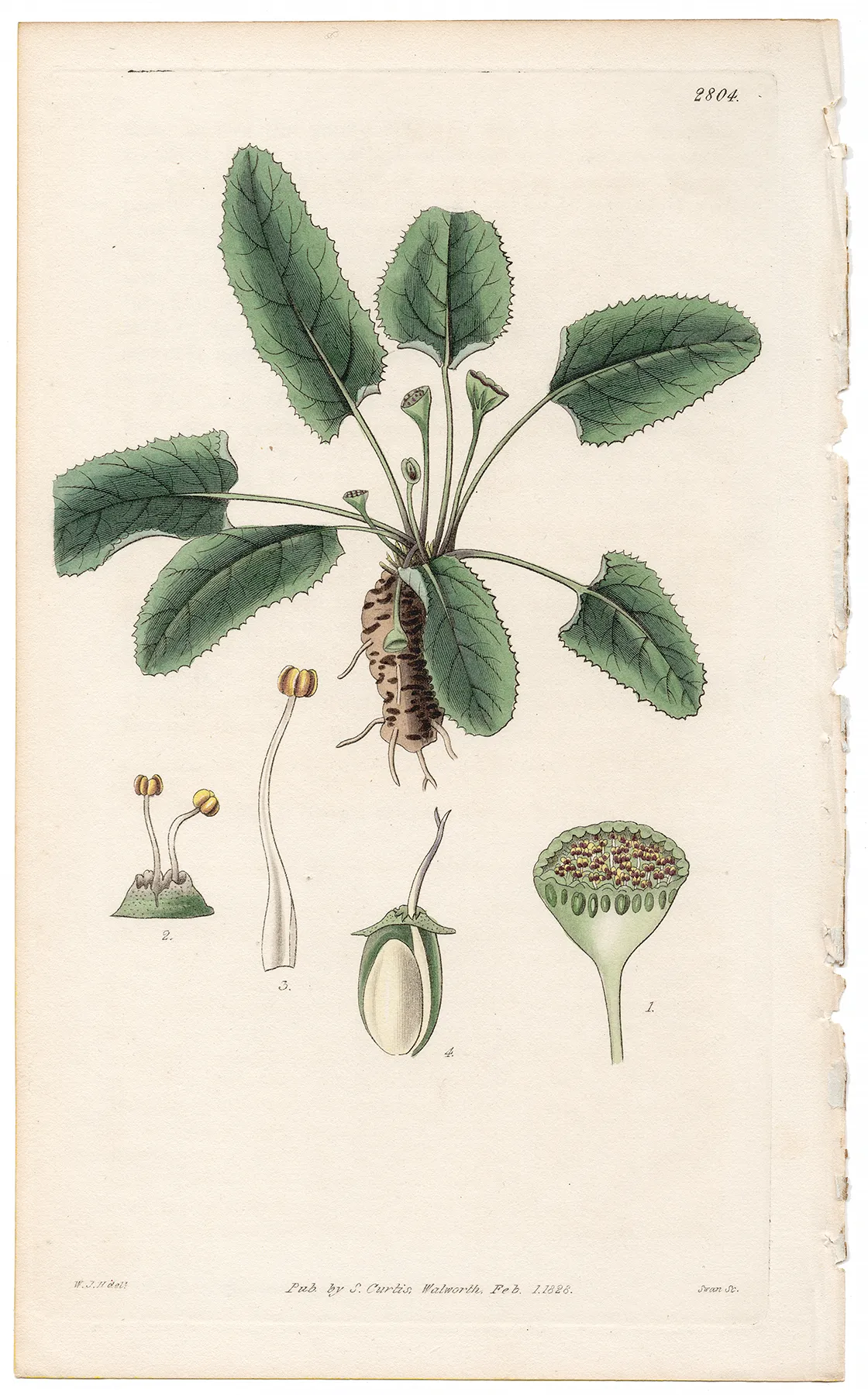
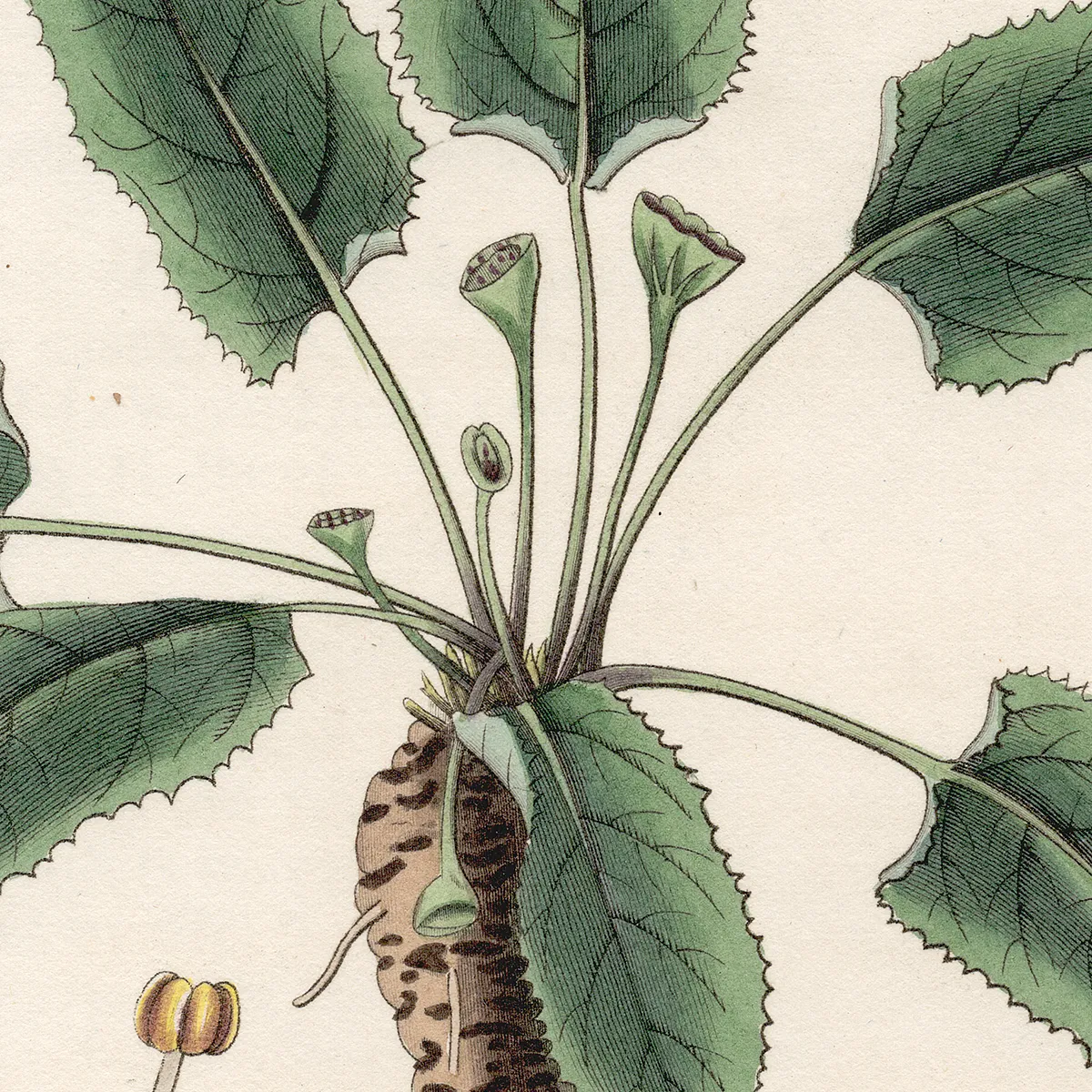
Plate 2804 Peziza-flowered Dorstenia, Curtis Botanical Magazine 1828 antique engraving
Price range: $22.50 through $270.00Original hand-colored antique botanical engraving from Curtis’s Botanical Magazine, or Flower-Garden Displayed, published in 1828. Created by botanist William Jackson Hooker, this botanical illustration is from one of the world’s longest-running natural history publications.
Quick View This product has multiple variants. The options may be chosen on the product page -
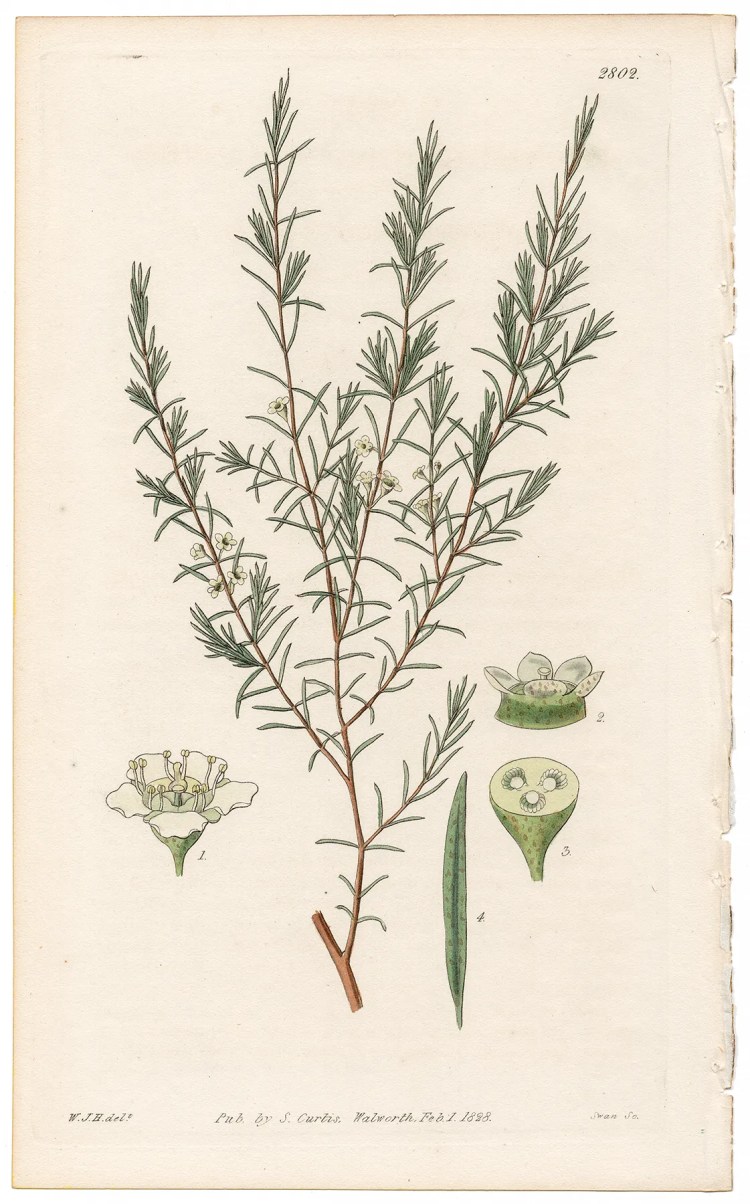
Plate 2802 Shrubby Chinese Baeckia, Curtis Botanical Magazine 1828 antique engraving
Price range: $22.50 through $270.00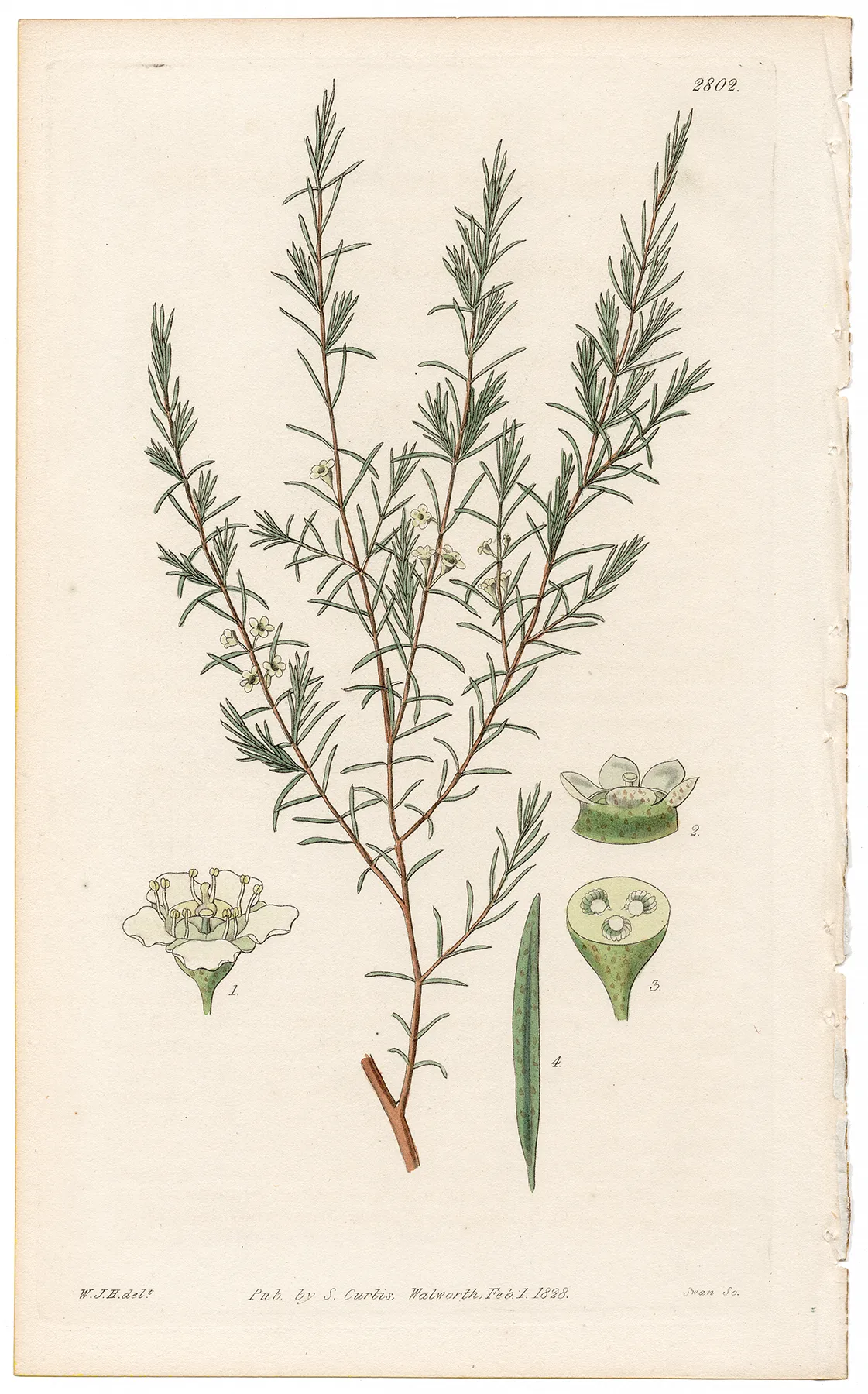

Plate 2802 Shrubby Chinese Baeckia, Curtis Botanical Magazine 1828 antique engraving
Price range: $22.50 through $270.00Original hand-colored antique botanical engraving from Curtis’s Botanical Magazine, or Flower-Garden Displayed, published in 1828. Created by botanist William Jackson Hooker, this botanical illustration is from one of the world’s longest-running natural history publications.
Quick View This product has multiple variants. The options may be chosen on the product page -
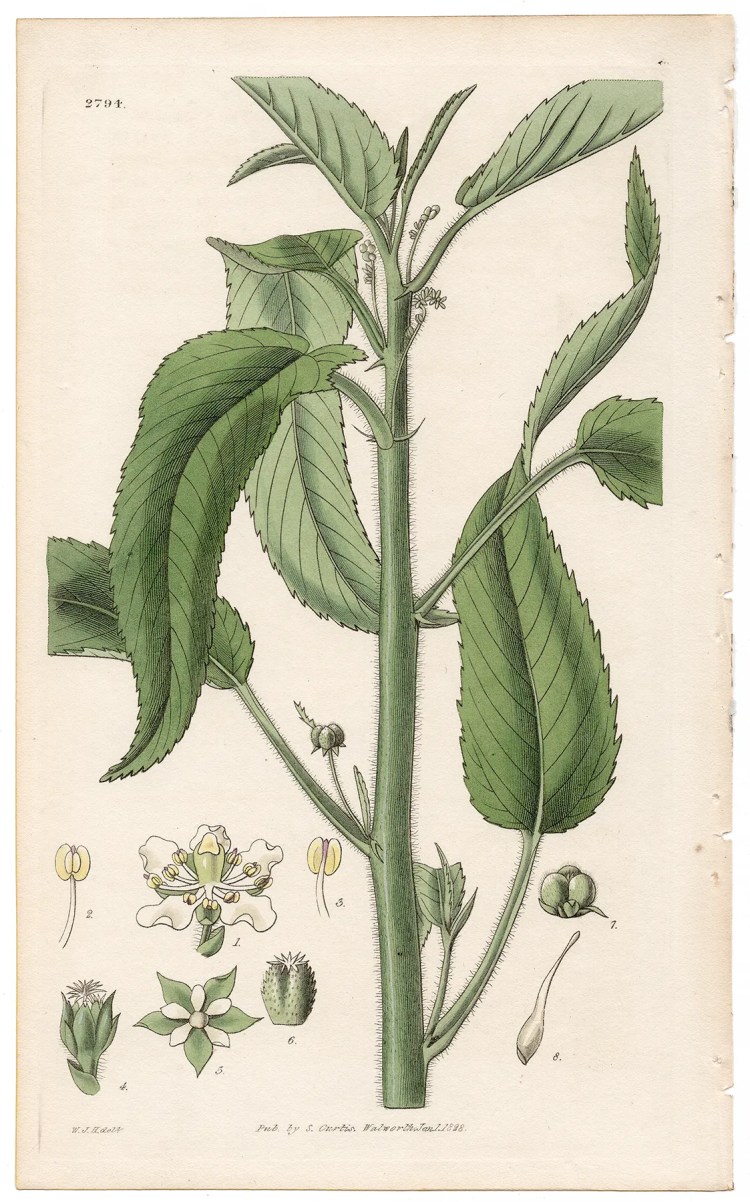
Plate 2794 Chesnut-leaved Croton, Curtis Botanical Magazine 1828 antique engraving
Price range: $22.50 through $270.00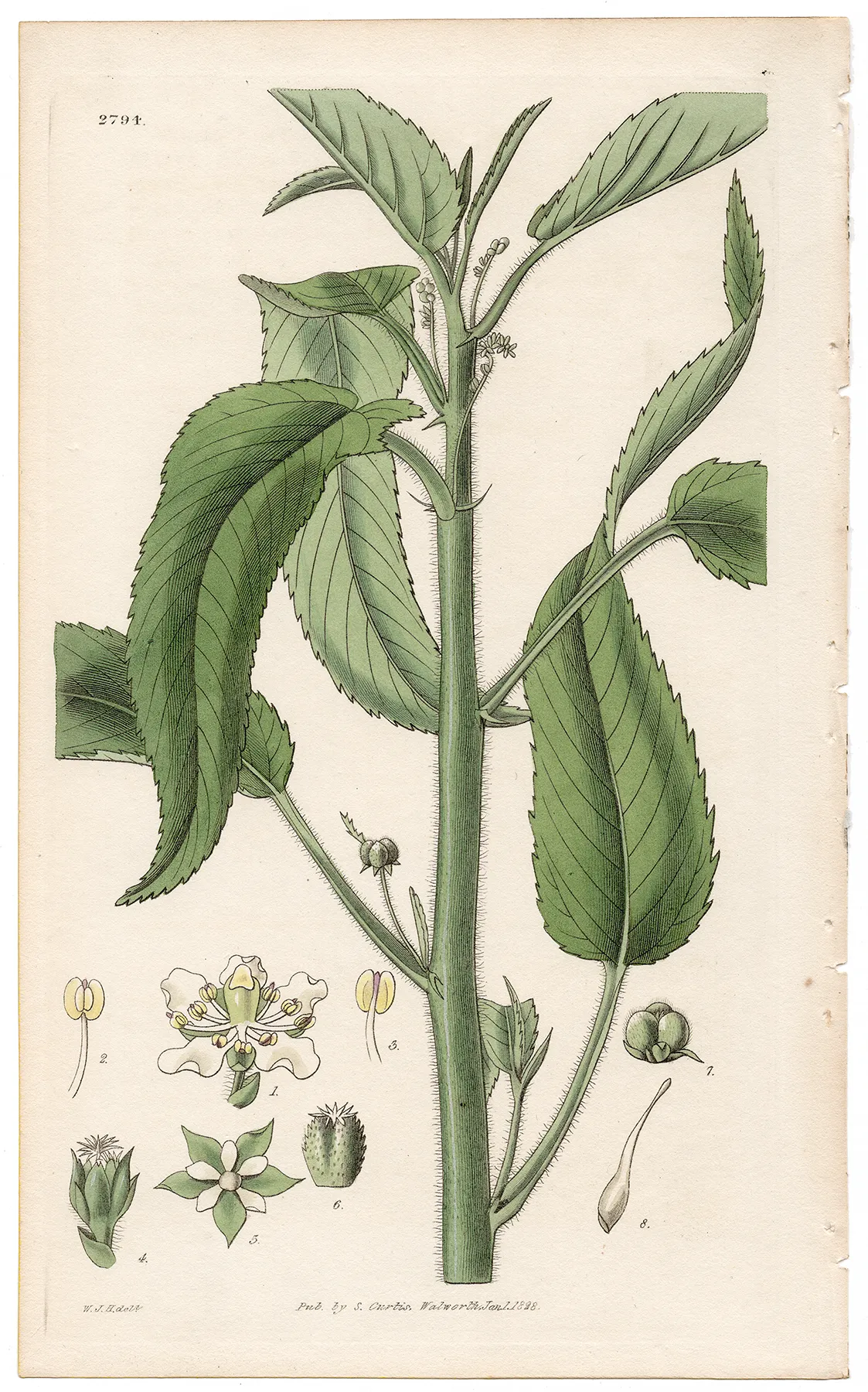
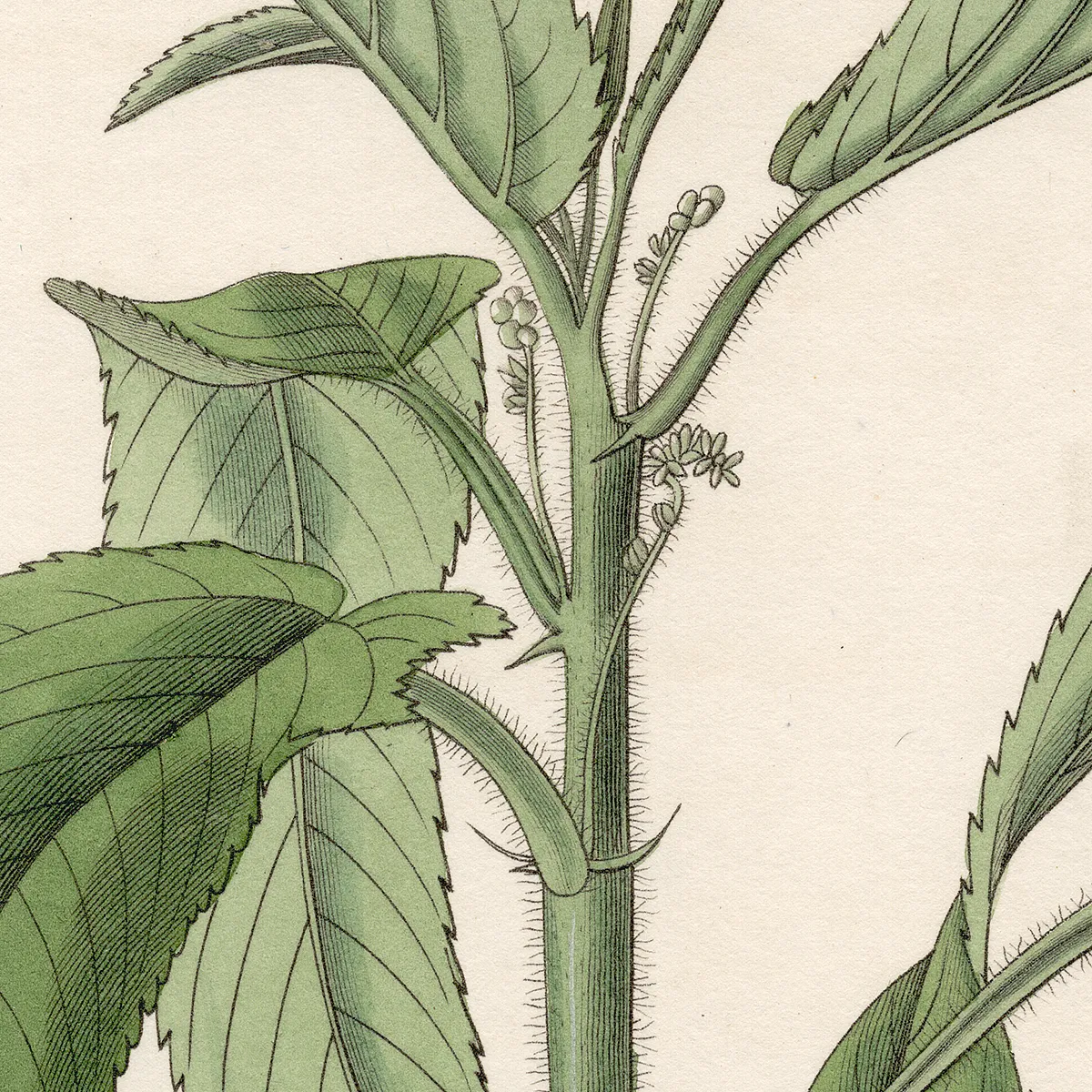
Plate 2794 Chesnut-leaved Croton, Curtis Botanical Magazine 1828 antique engraving
Price range: $22.50 through $270.00Original hand-colored antique botanical engraving from Curtis’s Botanical Magazine, or Flower-Garden Displayed, published in 1828. Created by botanist William Jackson Hooker, this botanical illustration is from one of the world’s longest-running natural history publications.
Quick View This product has multiple variants. The options may be chosen on the product page -

Plate 2775 Purple-flowered Slipperwort, Curtis Botanical Magazine 1827 antique engraving
Price range: $22.50 through $270.00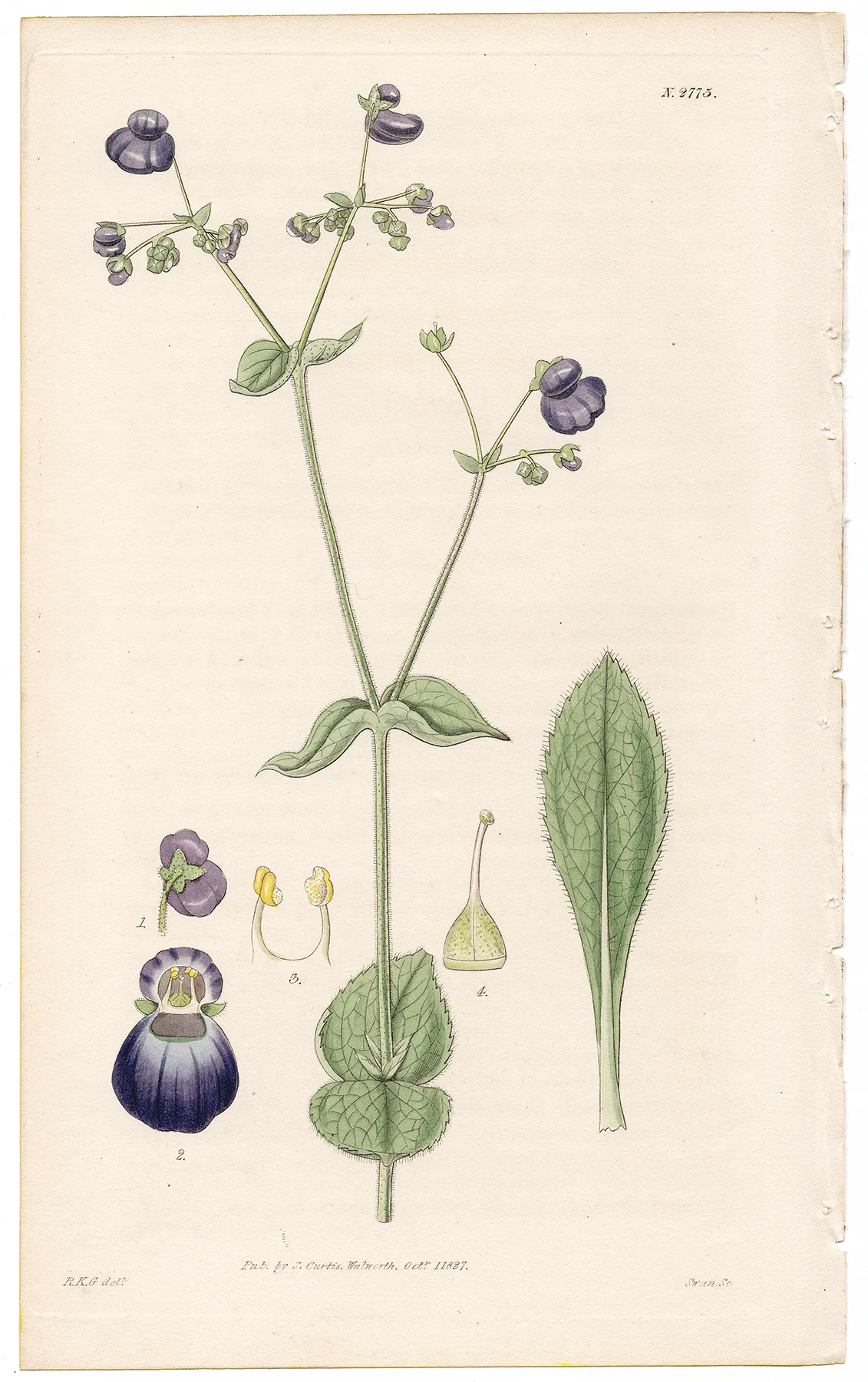

Plate 2775 Purple-flowered Slipperwort, Curtis Botanical Magazine 1827 antique engraving
Price range: $22.50 through $270.00Original hand-colored antique botanical engraving from Curtis’s Botanical Magazine, or Flower-Garden Displayed, published in 1827. Created by botanist William Jackson Hooker, this botanical illustration is from one of the world’s longest-running natural history publications.
Quick View This product has multiple variants. The options may be chosen on the product page -
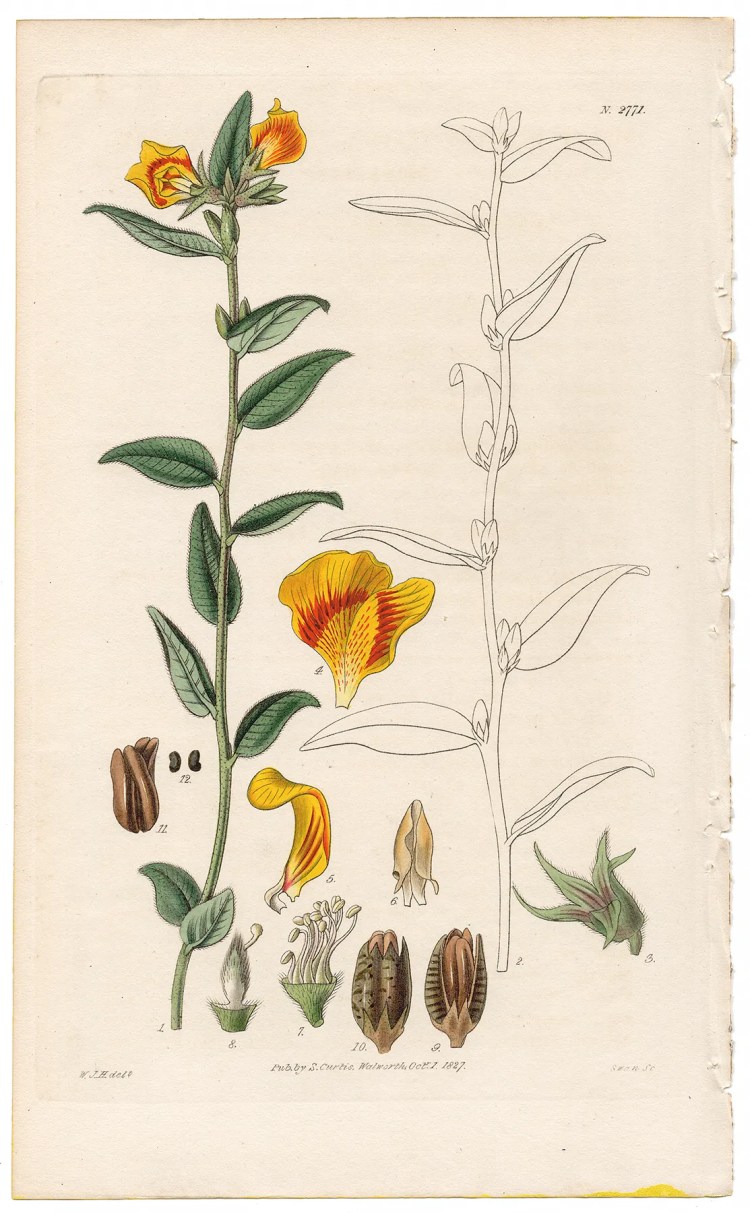
Plate 2771 Large-flowered Mirbellia, Curtis Botanical Magazine 1827 antique engraving
Price range: $22.50 through $270.00

Plate 2771 Large-flowered Mirbellia, Curtis Botanical Magazine 1827 antique engraving
Price range: $22.50 through $270.00Original hand-colored antique botanical engraving from Curtis’s Botanical Magazine, or Flower-Garden Displayed, published in 1827. Created by botanist William Jackson Hooker, this botanical illustration is from one of the world’s longest-running natural history publications.
Quick View This product has multiple variants. The options may be chosen on the product page -

Plate 2767 Spinous-fruited Spindle-wood, Curtis Botanical Magazine 1827 antique engraving
Price range: $22.50 through $270.00
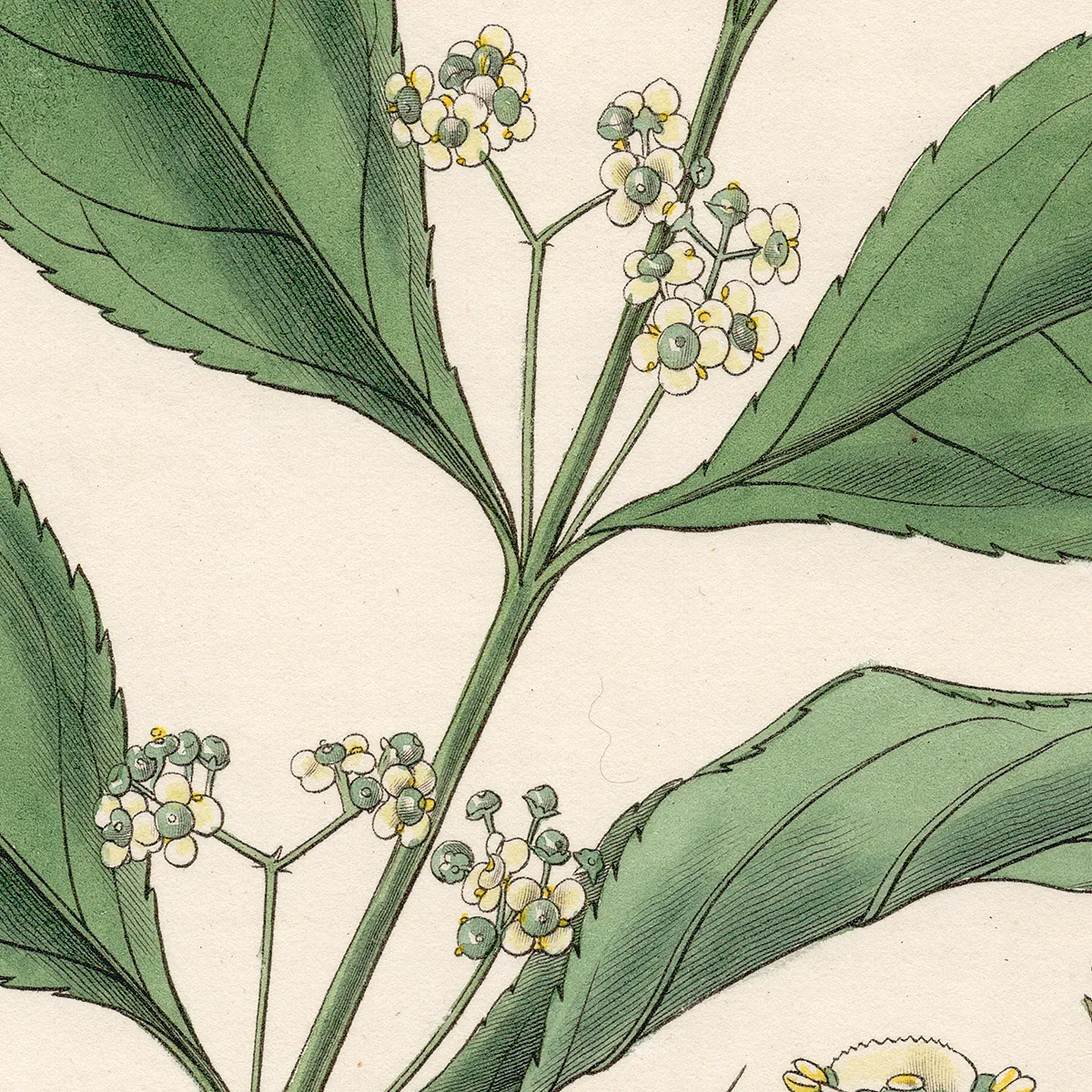
Plate 2767 Spinous-fruited Spindle-wood, Curtis Botanical Magazine 1827 antique engraving
Price range: $22.50 through $270.00Original hand-colored antique botanical engraving from Curtis’s Botanical Magazine, or Flower-Garden Displayed, published in 1827. Created by botanist William Jackson Hooker, this botanical illustration is from one of the world’s longest-running natural history publications.
Quick View This product has multiple variants. The options may be chosen on the product page -
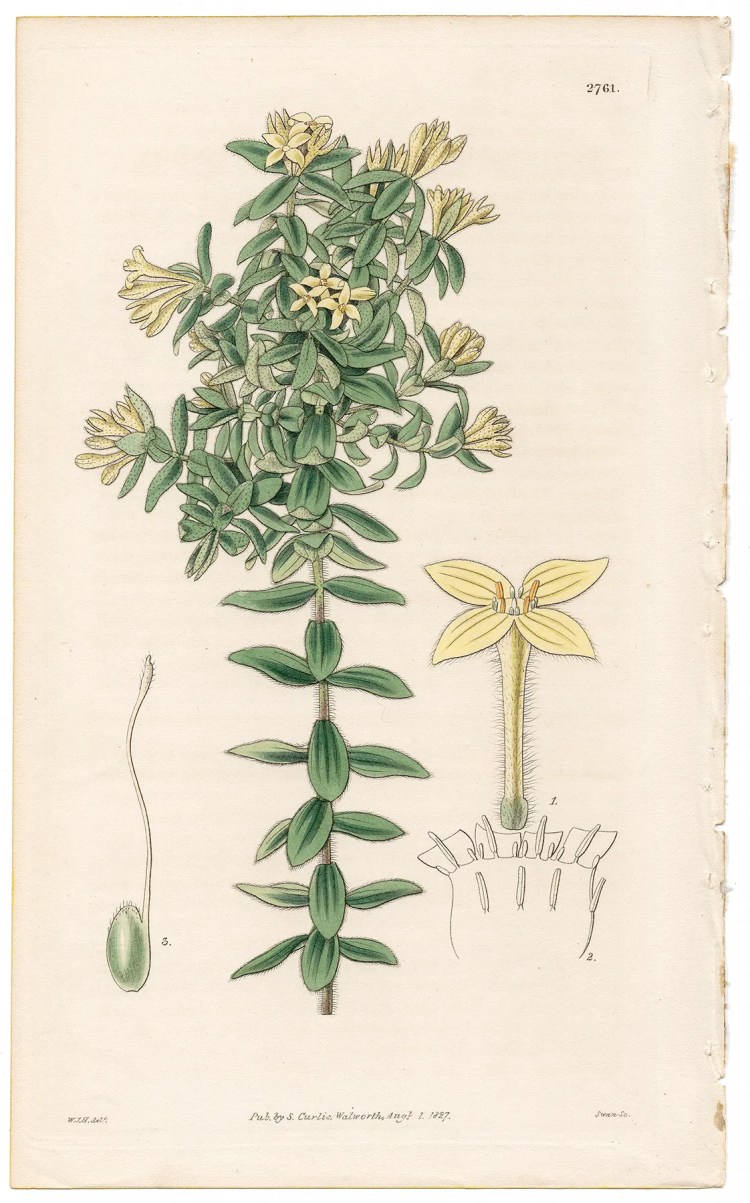
Plate 2761 Downy Gnidia, Curtis Botanical Magazine 1827 antique engraving
Price range: $22.50 through $270.00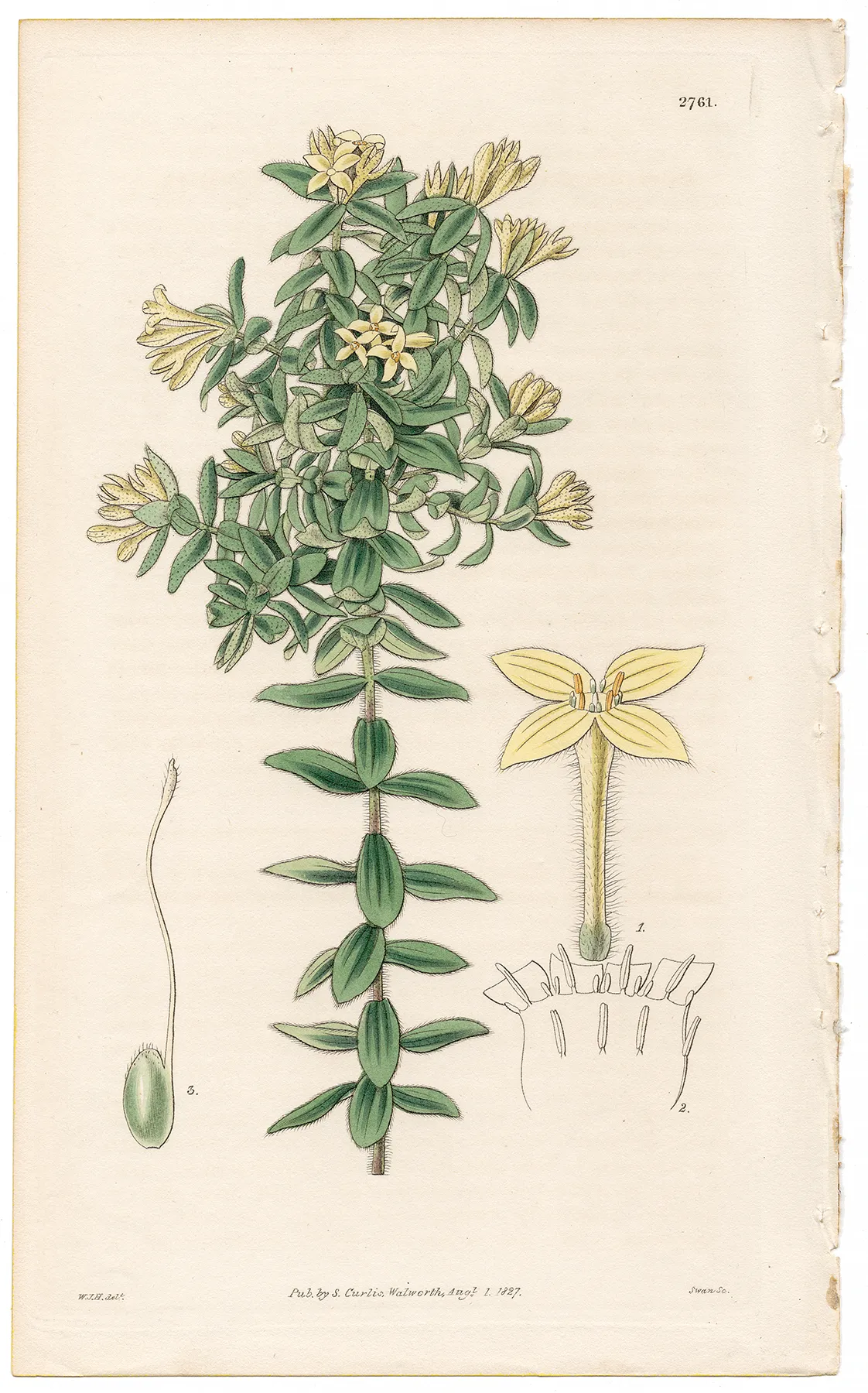
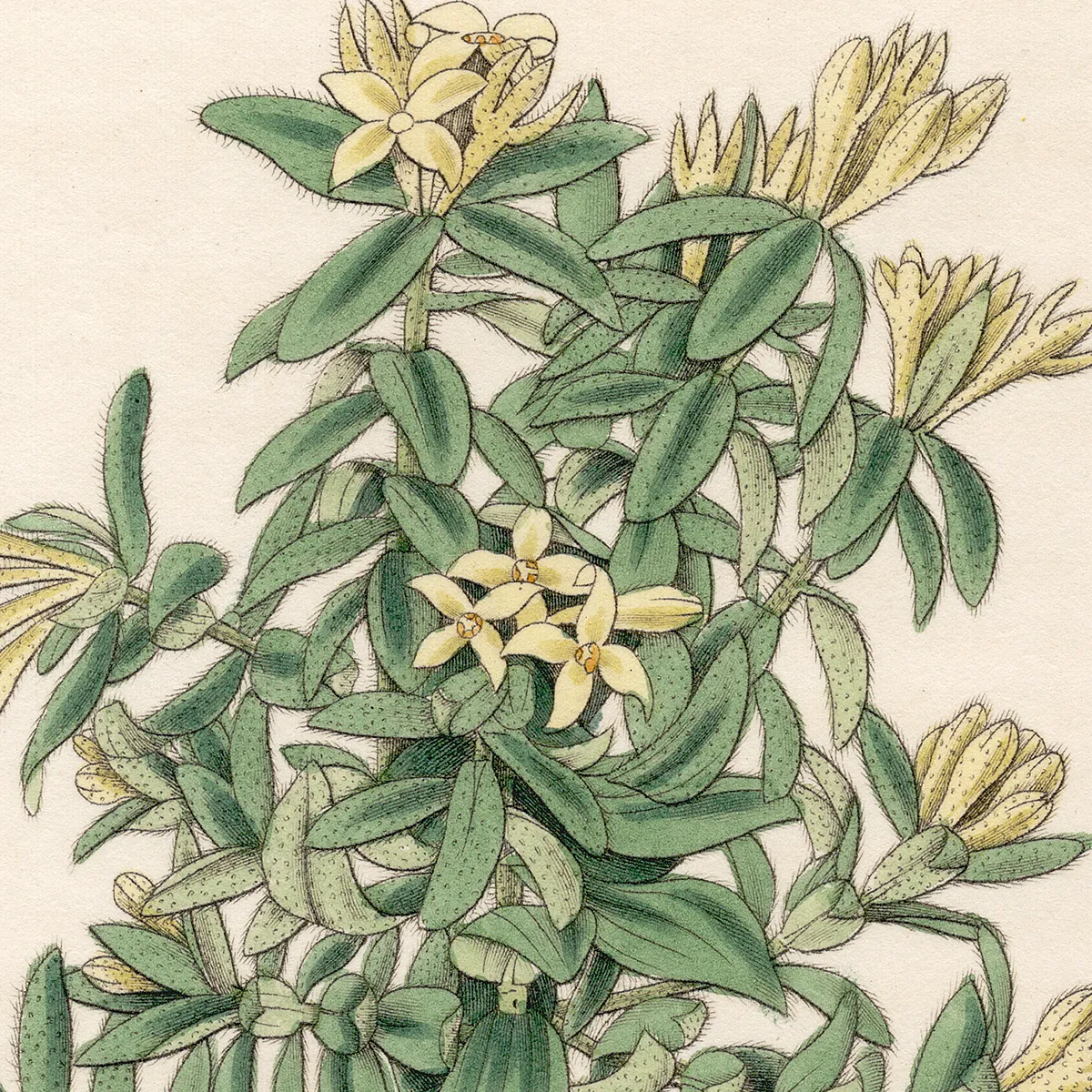
Plate 2761 Downy Gnidia, Curtis Botanical Magazine 1827 antique engraving
Price range: $22.50 through $270.00Original hand-colored antique botanical engraving from Curtis’s Botanical Magazine, or Flower-Garden Displayed, published in 1827. Created by botanist William Jackson Hooker, this botanical illustration is from one of the world’s longest-running natural history publications.
Quick View This product has multiple variants. The options may be chosen on the product page