

In the complex ecosystem of our planet, birds play a crucial role not only in maintaining ecological balance but also in enriching our lives with their colors, songs, and diverse behaviors. The extinction of birds like the majestic Ivory-billed Woodpecker not only signifies a loss of biodiversity but also disrupts intricate food webs and natural processes that sustain life on Earth.
Extinct Birds
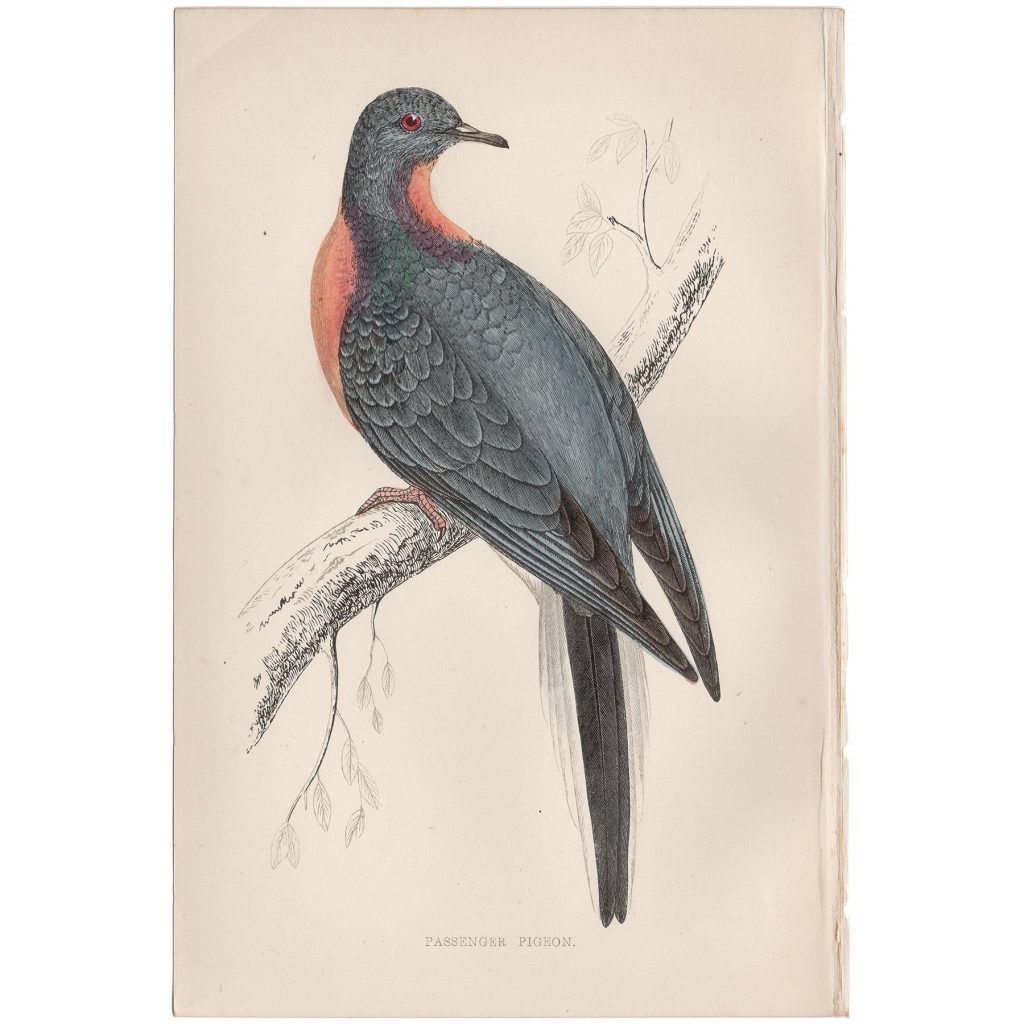
Passenger Pigeon
Extinct since 1914, the Passenger Pigeon (Ectopistes migratorius) was once one of the most abundant birds in North America. The passenger pigeon was driven to extinction due to habitat loss and overhunting.
At their peak in the early 19th century, Passenger Pigeons were estimated to number in the billions. Their flocks were so immense that they could take hours to pass overhead, darkening the sky and making a thunderous noise.
The last known Passenger Pigeon, Martha, died in captivity at the Cincinnati Zoo in 1914. The loss of the Passenger Pigeon sparked early conservation efforts and legislation in the United States, including the establishment of migratory bird protections and the recognition of the need for sustainable wildlife management.
Carolina Parakeet
Another victim of habitat destruction and hunting, the Carolina Parakeet (Conuropsis carolinensis) was the only parrot species native to the eastern United States. The last known individual died in captivity in 1918.
Similar to the Passenger Pigeon, the decline of the Carolina Parakeet was largely due to human activities. They were heavily persecuted because they were seen as agricultural pests, feeding on crops such as fruit orchards and grains. Farmers and hunters also targeted them for their colorful feathers, which were used in the millinery trade (hat-making)


Ivory-billed Woodpecker
The Ivory-billed Woodpecker (Campephilus principalis) is classified as critically endangered and possibly extinct. The last confirmed sightings in the United States were in the 1940s, although there have been numerous unconfirmed sightings and reports since then, leading to ongoing searches and conservation efforts.
Extensive efforts have been made to search for and potentially rediscover this species, including organized expeditions, audio recordings, and remote sensing technologies to survey potential habitats.
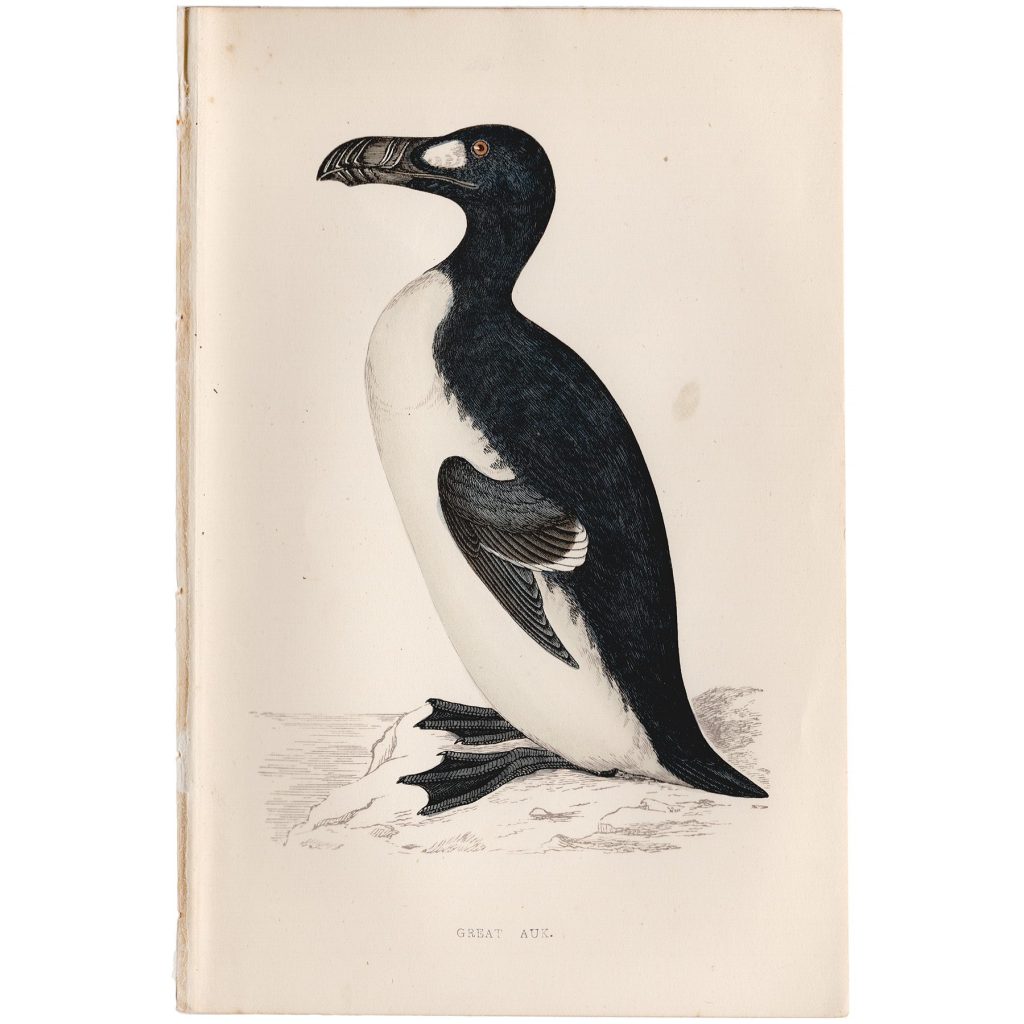
Great Auk
Great Auk (Pinguinus impennis) is a large, flightless bird that once inhabited the North Atlantic, from Canada to northern Europe. It was also known as the garefowl or penguin, though it was not related to the modern-day penguins found in the Southern Hemisphere.
The Great Auk was heavily hunted for its feathers, meat, and oil. The bird’s inability to fly made it easy prey for hunters. Additionally, its eggs were collected extensively. The last known breeding pair was killed in 1844 on Eldey Island, off the coast of Iceland. The species was declared extinct shortly thereafter.
More Extinct Birds
Dusky Seaside Sparrow (Ammospiza nigrescens) – Extinct since 1990.
Bachman’s Warbler (Vermivora bachmanii) – Extinct since 1962.
Hawaiian Rail (Porzana sandwichensis) – Extinct since the late 19th century.
Kaua’i ‘ō’ō (Moho braccatus) – Extinct since the late 20th century.
Laysan Millerbird (Acrocephalus familiaris familiaris) – Extinct since the early 20th century.
Labrador Duck (Camptorhynchus labradorius) – Extinct since the late 19th century.
Endangered
The plight of endangered birds is equally concerning. Species like the California Condor and the Whopping Crane are teetering on the edge of extinction. Their populations are dwindling due to habitat fragmentation and invasive species. Conservation efforts struggle against formidable odds, often racing against time to protect dwindling populations and restore habitats crucial for their survival.
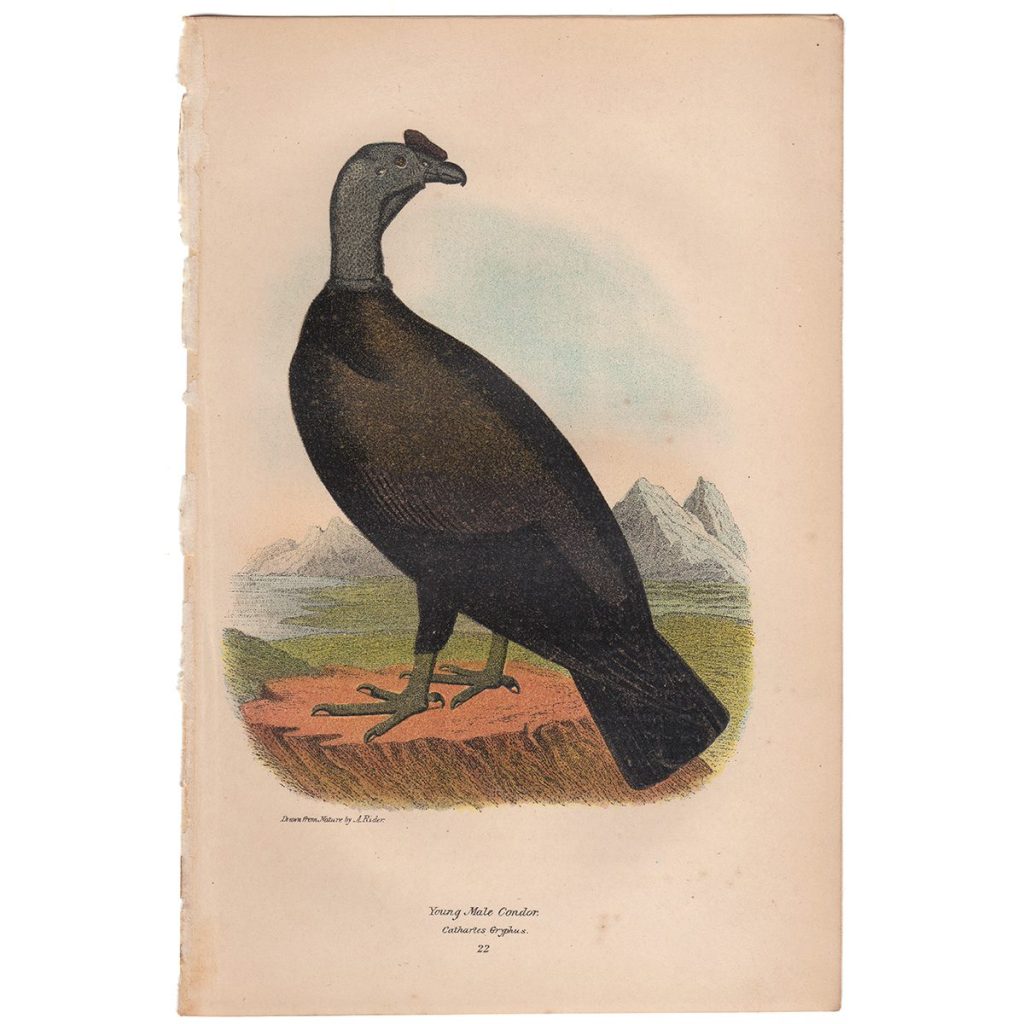
California Condor
California Condor (Gymnogyps californianus) The California Condor is one of the largest flying birds in North America. It faced extinction due to habitat destruction, lead poisoning from ingesting lead ammunition, and accidental trapping. Through extensive conservation efforts, the California Condor population has increased, but it remains endangered.
Whooping Crane
Whooping Crane (Grus americana) The Whooping Crane is one of the rarest birds in North America. Habitat loss, hunting, and collisions with power lines have contributed to its decline. Conservation efforts, including captive breeding programs and habitat restoration, are ongoing to help increase the population.

More Endangered Birds
Red-cockaded Woodpecker (Picoides borealis)
Florida Grasshopper Sparrow (Ammodramus savannarum floridanus)
Hawaiian Crow (Corvus hawaiiensis)
Piping Plover (Charadrius melodus)
Northern Spotted Owl (Strix occidentalis caurina)
Marbled Murrelet (Brachyramphus marmoratus)
Kirtland’s Warbler (Setophaga kirtlandii)
Palila (Loxioides bailleui)
Gunnison Sage-Grouse (Centrocercus minimus)
Hawaiian Petrel (Pterodroma sandwichensis)
Least Bell’s Vireo (Vireo bellii pusillus)
San Clemente Loggerhead Shrike (Lanius ludovicianus mearnsi)
As we face the realities of a changing climate and escalating human impacts on the environment, the urgency to protect our avian counterparts grows more critical. International collaborations, conservation initiatives, and public awareness campaigns are crucial steps towards ensuring that the haunting silence left by extinct birds does not become the anthem of future generations.