
There’s something undeniably captivating about orchids. Their delicate beauty, diverse forms, and often elusive nature have enchanted people for centuries. From ancient herbal remedies to contemporary botanical collections, orchids have woven themselves into the fabric of human history and culture. But what is it about these flowers that has fueled such a deep and lasting obsession?
Beauty and Diversity
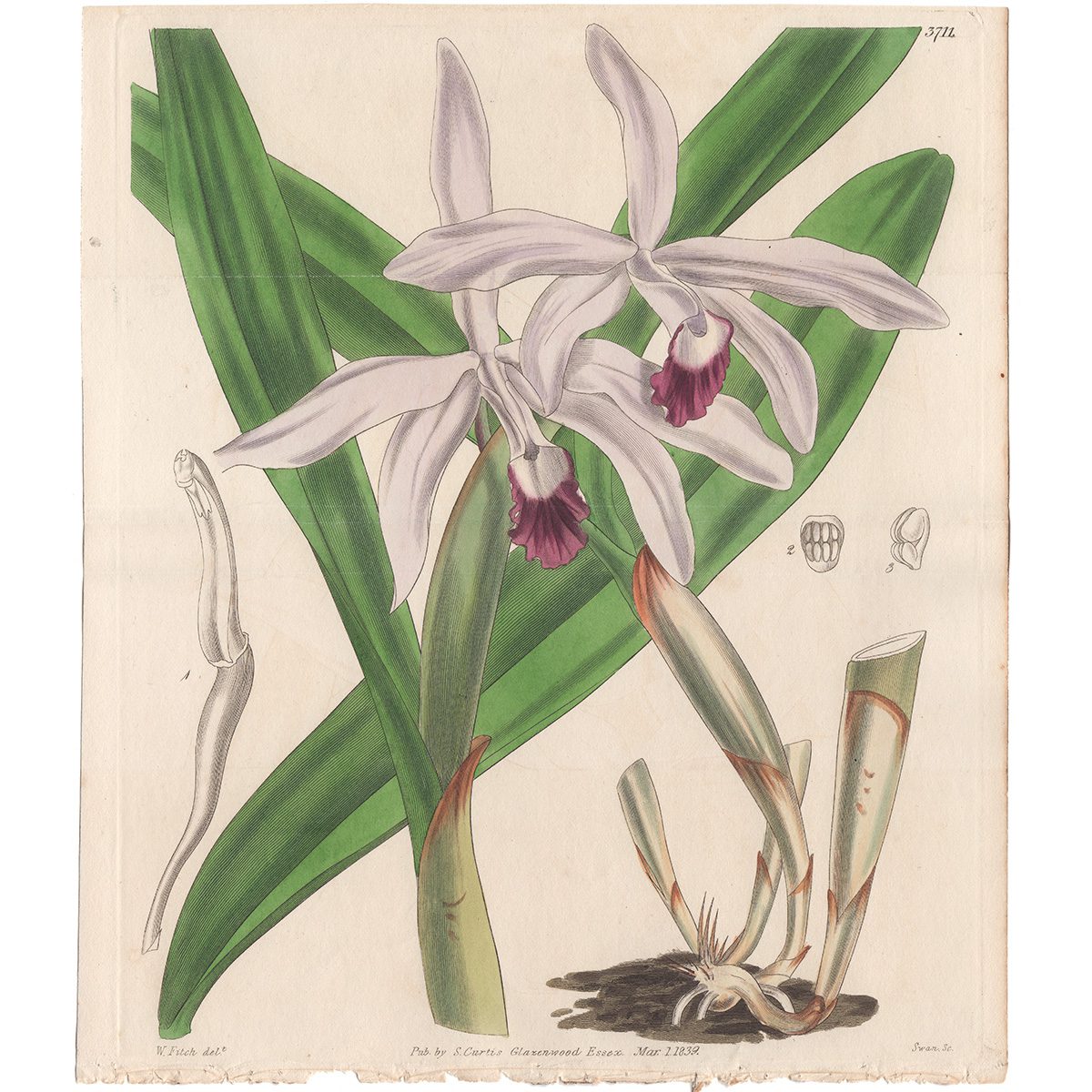
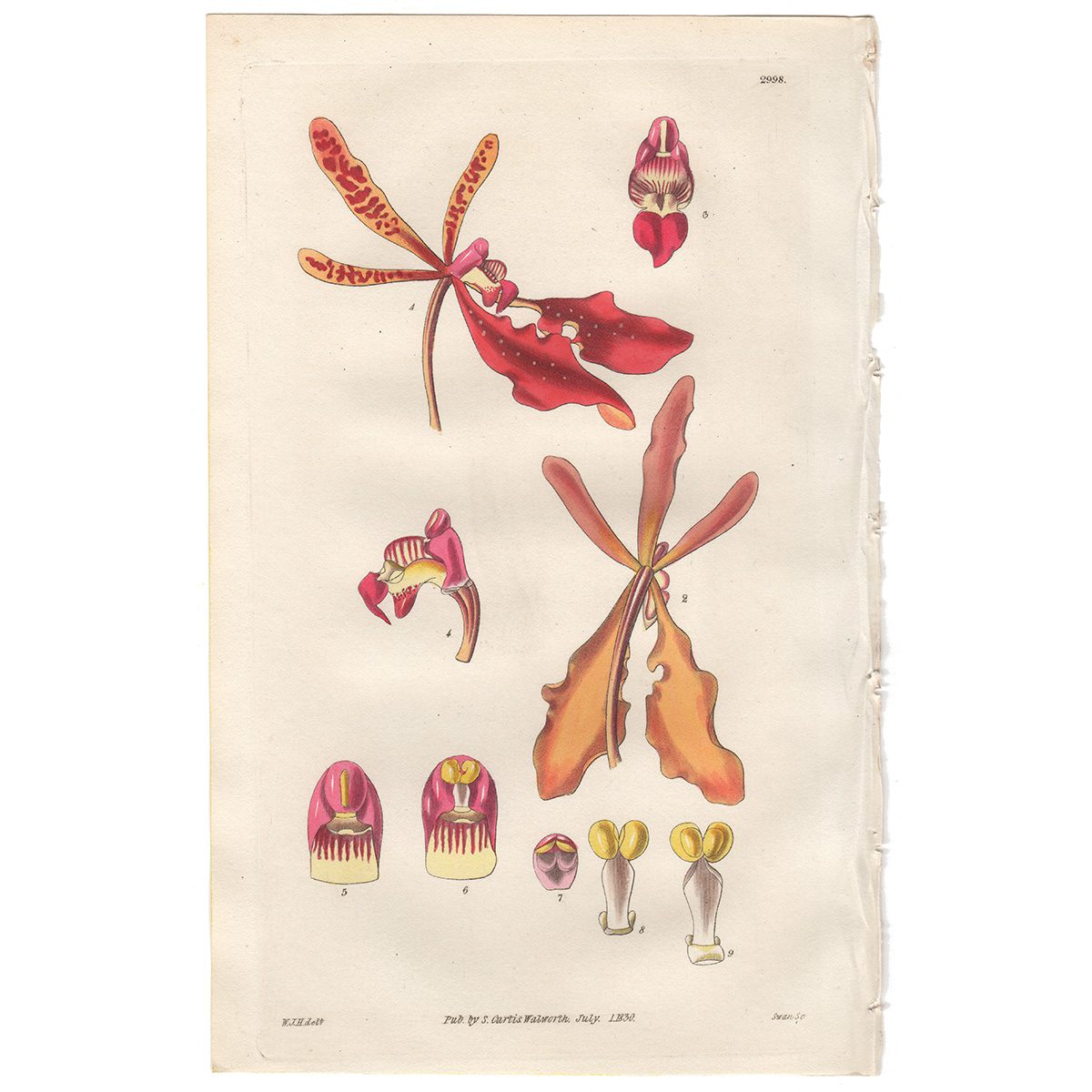
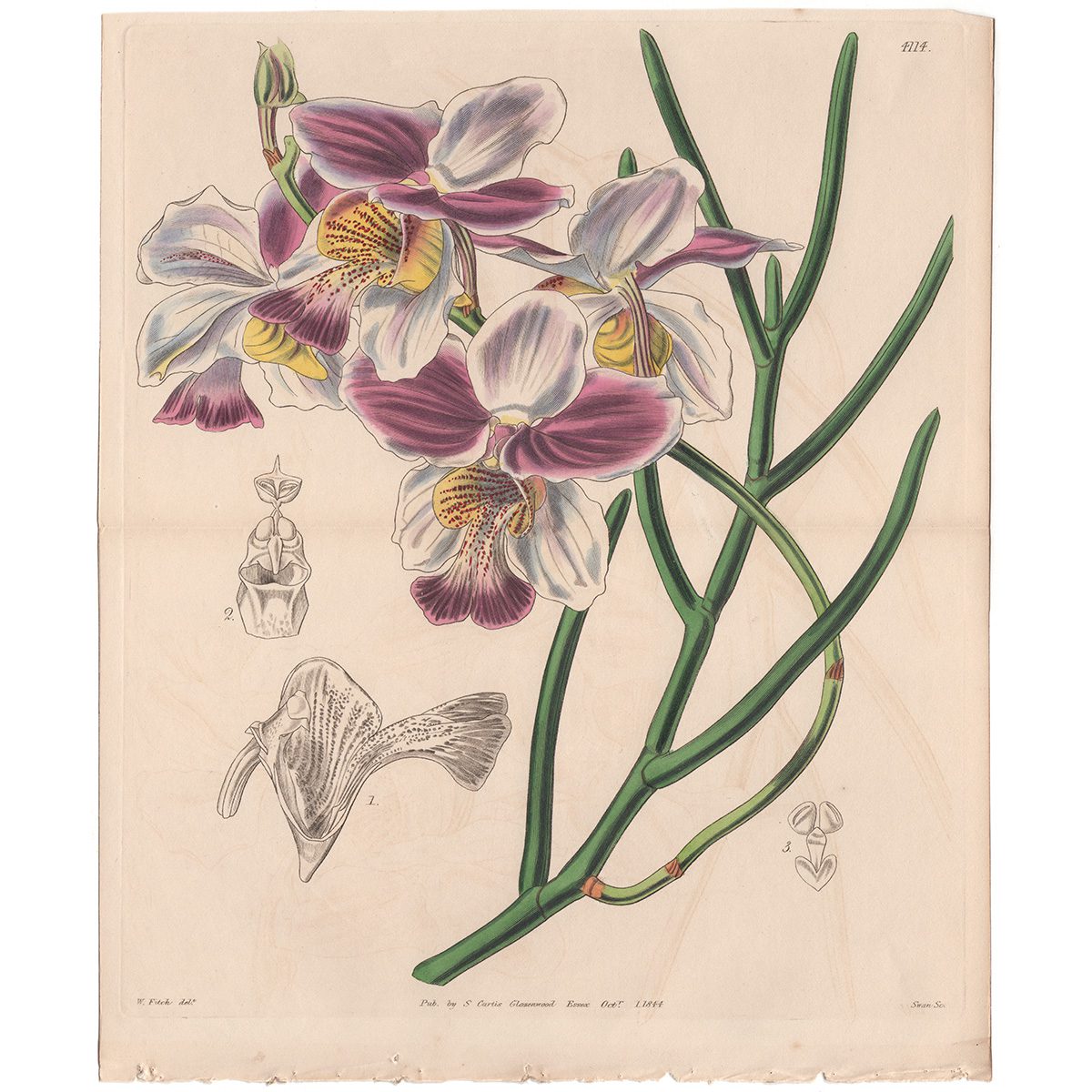
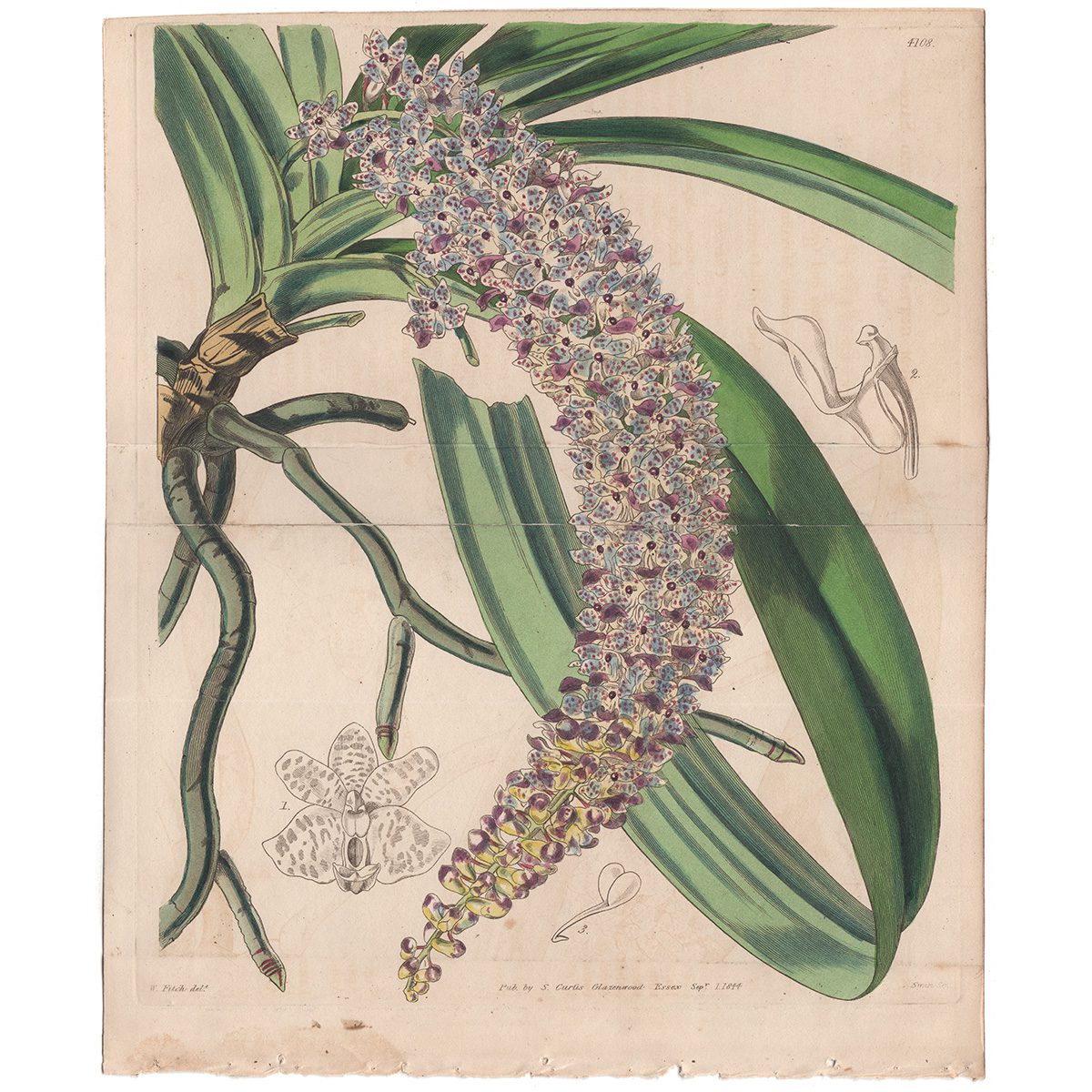
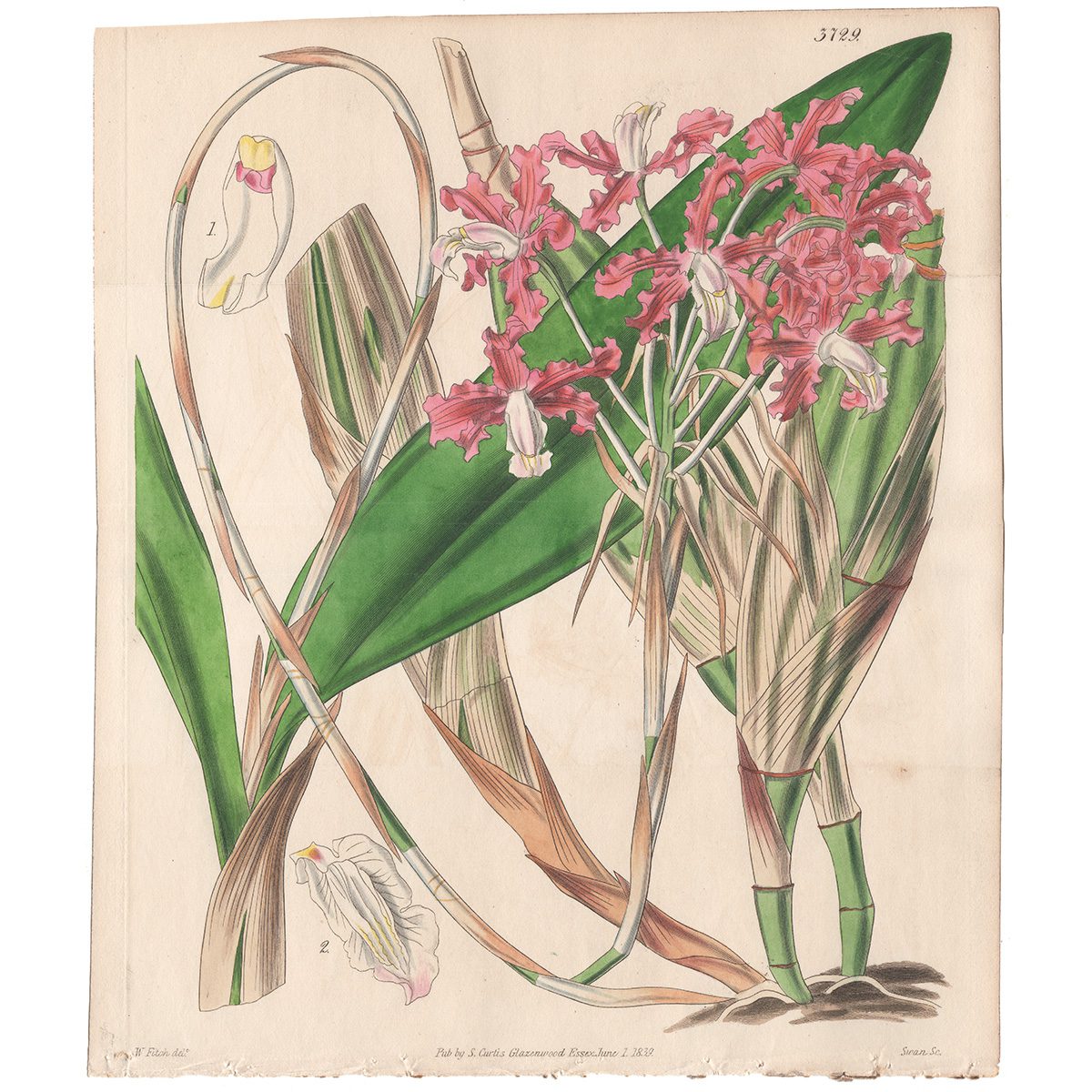
Orchids are known for their stunning and diverse range of flowers, which come in various shapes, sizes, and colors. Their intricate and often exotic appearance makes them highly appealing to flower enthusiasts and casual admirers alike.
With over 25,000 species and more than 100,000 hybrids, orchids offer a seemingly endless variety to explore and enjoy.

Symbolism and Cultural Significance
Orchids hold symbolic meanings in many cultures. They often represent beauty, love, strength, and luxury. In some cultures, they are associated with fertility and virility.
Historically, orchids have been used in art, literature, and mythology, adding to their cultural richness and appeal.
Challenging Cultivation:
Many orchid enthusiasts enjoy the challenge of growing and cultivating these plants. Orchids can be particular about their growing conditions, requiring specific temperature, humidity, and light levels. Successfully growing orchids can be a rewarding experience for hobbyists.
The challenge also fosters a sense of accomplishment and pride among growers, making orchids a popular choice for gardening enthusiasts.
Longevity of Blooms
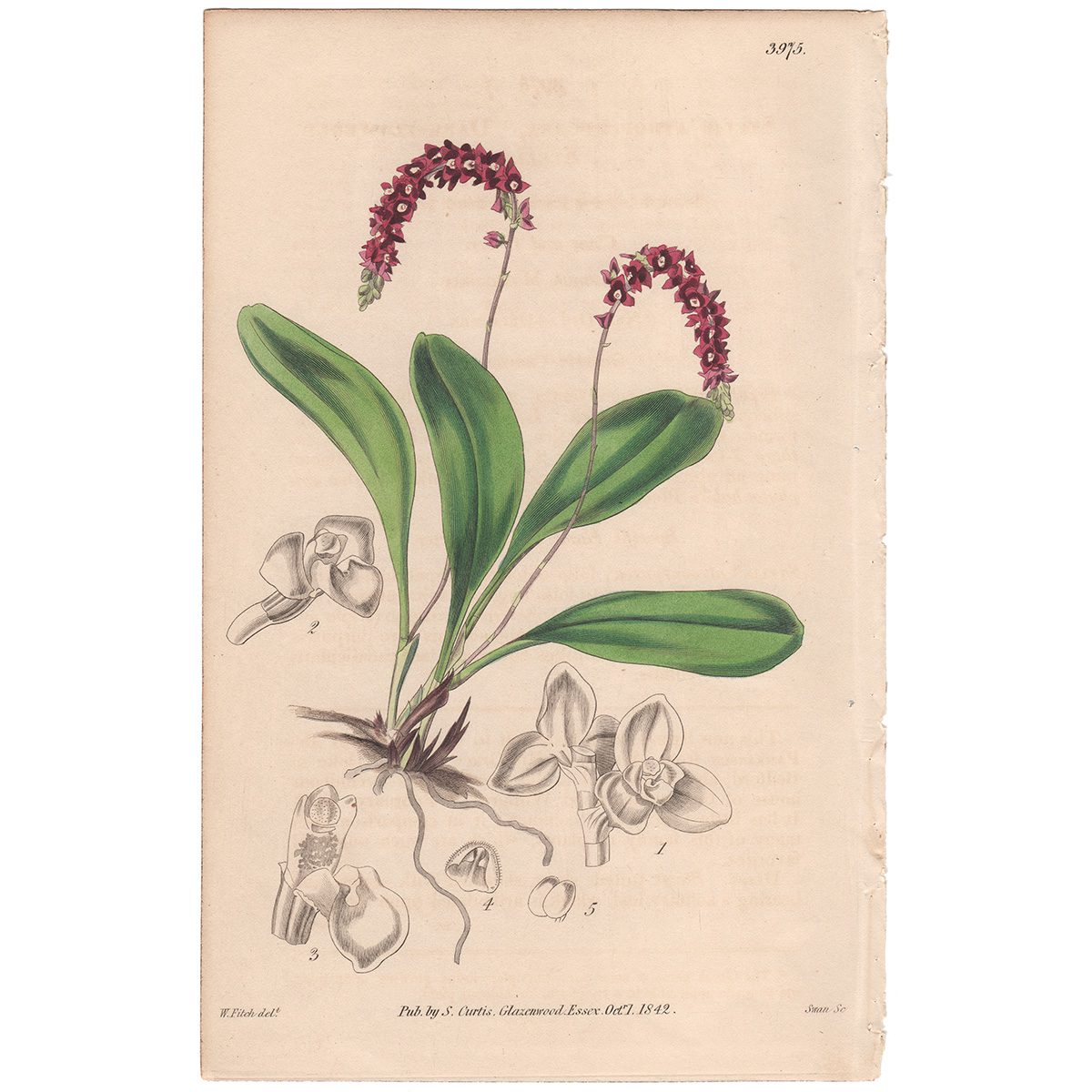
Orchid flowers are renowned for their remarkable longevity, with some species capable of maintaining their blooms for several weeks or even months. This extended blooming period sets orchids apart from many other flowering plants, making them a popular choice for both home and garden décor. Their ability to retain their delicate, exotic beauty for such a long time enhances their appeal as ornamental plants, allowing them to grace living spaces with vibrant colors and intricate forms long after other flowers have faded. This resilience not only adds to their aesthetic value but also makes them a practical option for those seeking low-maintenance, long-lasting floral arrangements.
Furthermore, the longevity of orchid blooms is a testament to the plant’s adaptation to its natural habitat, where the flowers are designed to attract specific pollinators over an extended period. This evolutionary trait ensures that orchids maximize their chances of reproduction, making their enduring beauty not just ornamental, but also functional within their ecosystems. Whether used in bouquets, potted arrangements, or as centerpieces, orchids’ prolonged bloom time makes them an elegant, enduring symbol of nature’s splendor.

Fragrance
Some orchids are prized for their pleasant and unique fragrances. Species like the Vanilla orchid are notable for their scents, which are used in various products, including perfumes and flavorings.
Medicinal and Economic Value
Orchids have long held a place in traditional medicine across various cultures. In regions such as Asia, Africa, and South America, certain orchid species are believed to possess healing properties and are used in herbal remedies to treat a range of ailments. For example, the Dendrobium orchid is often used in traditional Chinese medicine for its purported ability to boost immunity, improve digestion, and enhance vitality. The tubers of some species, like those in the Orchis genus, have been used historically to create “salep,” a flour believed to have medicinal properties in treating gastrointestinal issues and enhancing overall health. This ancient medicinal use highlights the cultural importance of orchids beyond their ornamental value.
Economically, orchids also hold significant value in global markets. The orchid industry is vast, encompassing the breeding, cultivation, and sale of orchids both for ornamental purposes and commercial use. Orchid nurseries and greenhouses specialize in producing an array of hybrid and rare species, catering to hobbyists, collectors, and professional landscapers. Many people earn livelihoods from the cultivation and sale of these beautiful plants, which are highly sought after for home décor, wedding arrangements, and corporate spaces. The allure of orchids, with their delicate and exotic appeal, makes them a lucrative choice in the floral trade.
In addition to their ornamental value, some orchids, such as the vanilla orchid (Vanilla planifolia), play a key role in the global food industry. The vanilla orchid is the source of natural vanilla, a prized flavoring used in everything from gourmet cuisine to perfumes. The cultivation of vanilla represents a vital economic activity in tropical regions, contributing to the livelihoods of thousands of farmers.

Rarity and Exclusivity
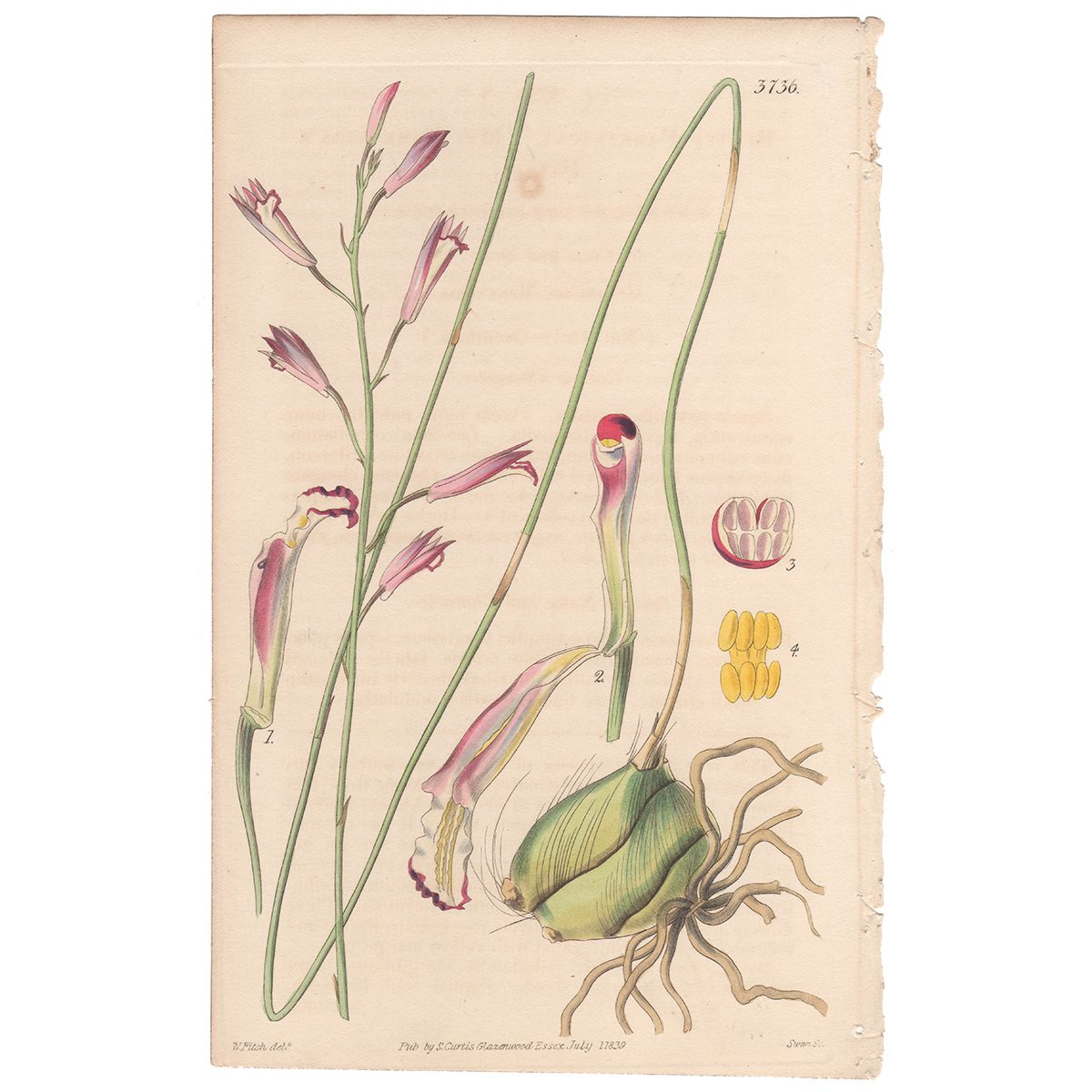
Certain orchid species are considered rare gems within the botanical world, making them highly coveted by collectors, horticulturists, and plant enthusiasts alike. These rare orchids, often found in remote or difficult-to-access environments such as dense rainforests or high-altitude regions, possess an intrinsic allure due to their scarcity. The exclusivity of these species amplifies their desirability, transforming them into prized possessions for those lucky enough to acquire them.
In some cases, the rarity of an orchid may be tied to specific environmental conditions that are difficult to replicate, such as precise humidity, light, or soil composition. This can make cultivating rare orchids particularly challenging, further contributing to their status as elite, high-value plants. For collectors, the ability to successfully grow and nurture a rare orchid can be seen as a mark of expertise and dedication, elevating the prestige associated with owning these botanical treasures.
The rarity of certain orchids can also stem from over harvesting or habitat destruction, leading to conservation efforts aimed at preserving endangered species. These orchids, protected by conservation laws and international trade regulations, often become even more exclusive, accessible only through specialized nurseries or conservation programs. Owning such rare specimens is not only a sign of exclusivity but also of responsibility, as many collectors become involved in conservation efforts to protect these vulnerable plants.


Ecological Fascination
Orchids have fascinating ecological interactions, particularly their unique pollination mechanisms and symbiotic relationships with mycorrhizal fungi. This scientific interest can attract botanists and nature enthusiasts.
Overall, the combination of beauty, diversity, cultural importance, and the challenge of cultivation makes orchids a favorite among plant lovers and collectors worldwide.