

Angiosperms, commonly known as flowering plants, represent the largest group in the plant kingdom. They dominate the landscape in diverse forms, from the flowers in your garden to towering trees in forests. Understanding the taxonomy of angiosperms gives us insight into the vast diversity and intricate evolutionary relationships within this group. Let’s explore the classification of angiosperms, their evolutionary significance, and the critical role that botanical illustration has played in the study and documentation of these remarkable plants.
What Are Angiosperms?
Angiosperms are plants that produce flowers and bear seeds enclosed within a fruit. This reproductive strategy has given them a significant evolutionary advantage over other plants, such as gymnosperms (e.g., conifers), which produce seeds without fruit protection. With around 300,000 known species, angiosperms are not only the most diverse group of plants but also essential to ecosystems and human life. They provide food, oxygen, medicine, and countless other resources.

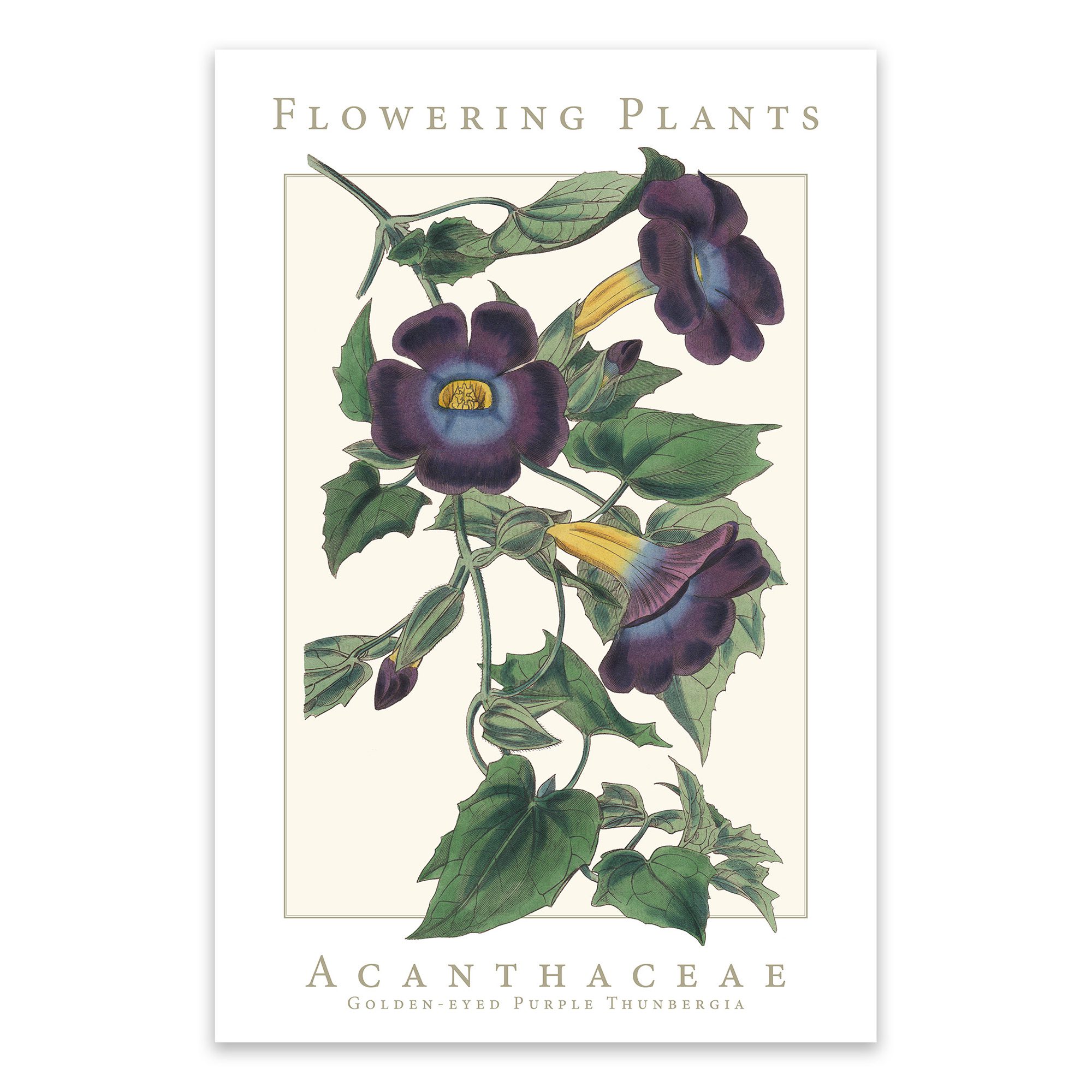
The Classification System of Angiosperms
Taxonomy is the science of classifying organisms, and in the case of angiosperms, it’s a structured hierarchy that reflects evolutionary relationships. Let’s break down this hierarchy.
Domain: Eukaryota
All angiosperms belong to the domain Eukaryota, meaning they are made up of cells with a nucleus and organelles. This domain encompasses a vast range of life, including animals, fungi, and plants.
Kingdom: Plantae
Within the Plantae kingdom, angiosperms are distinguished from other plants by their ability to produce flowers and fruits. This kingdom includes all green plants that carry out photosynthesis, converting sunlight into energy.
Phylum: Angiospermae (or Magnoliophyta)
Angiosperms are classified within the phylum Angiospermae, which sets them apart from other vascular plants, including gymnosperms and ferns. This phylum emphasizes their defining feature: the presence of flowers and fruits.
Class: Monocotyledonae and Dicotyledonae
Angiosperms are further divided into two major classes based on the number of seed leaves, or cotyledons, they possess:


Order and Family
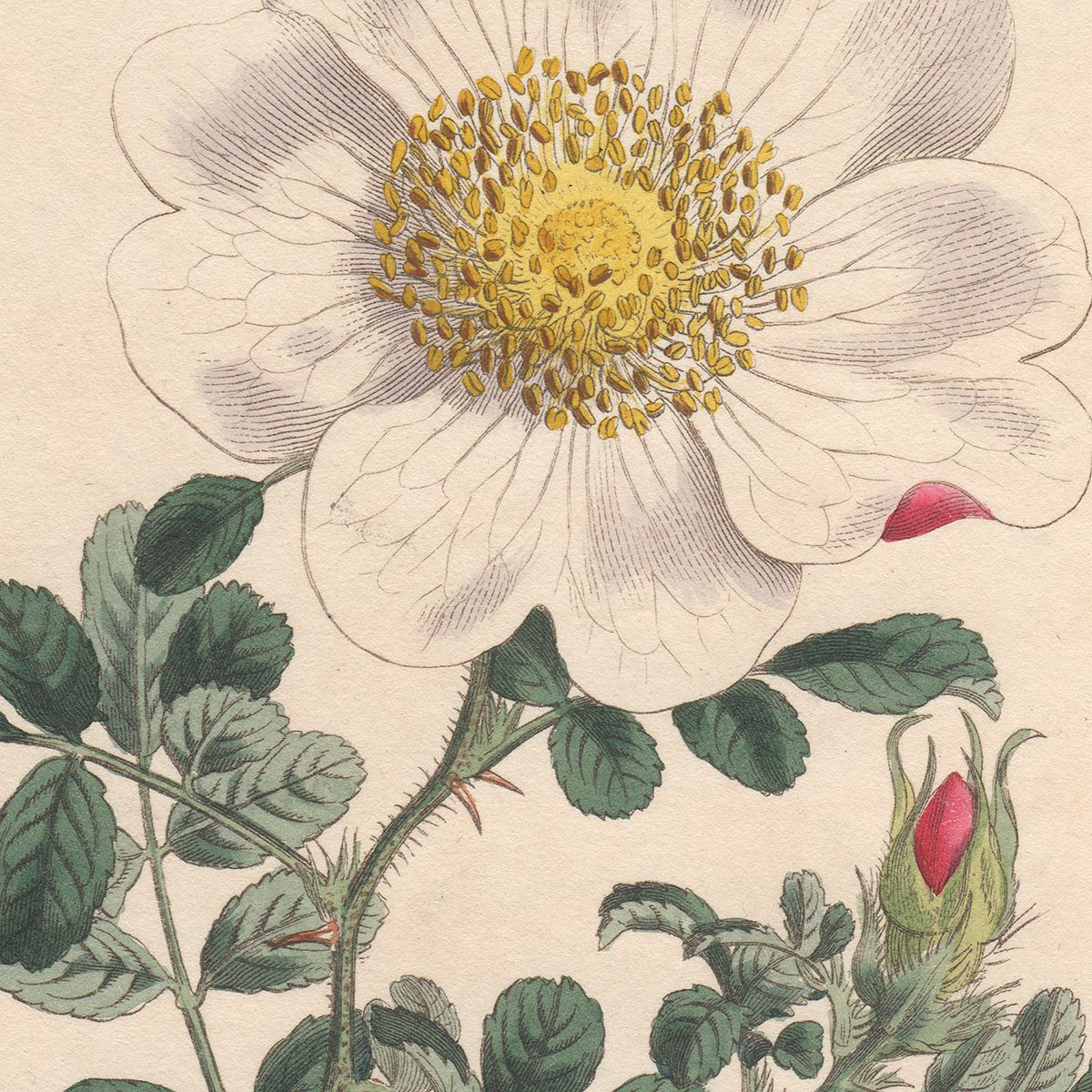
The next level of classification breaks angiosperms down into orders and families. For example, the rose family (Rosaceae) and the sunflower family (Asteraceae) are well-known families within the dicot class. Each family includes a range of species that share common characteristics, such as flower structure, leaf arrangement, and fruit type.
Here are a few notable angiosperm families:
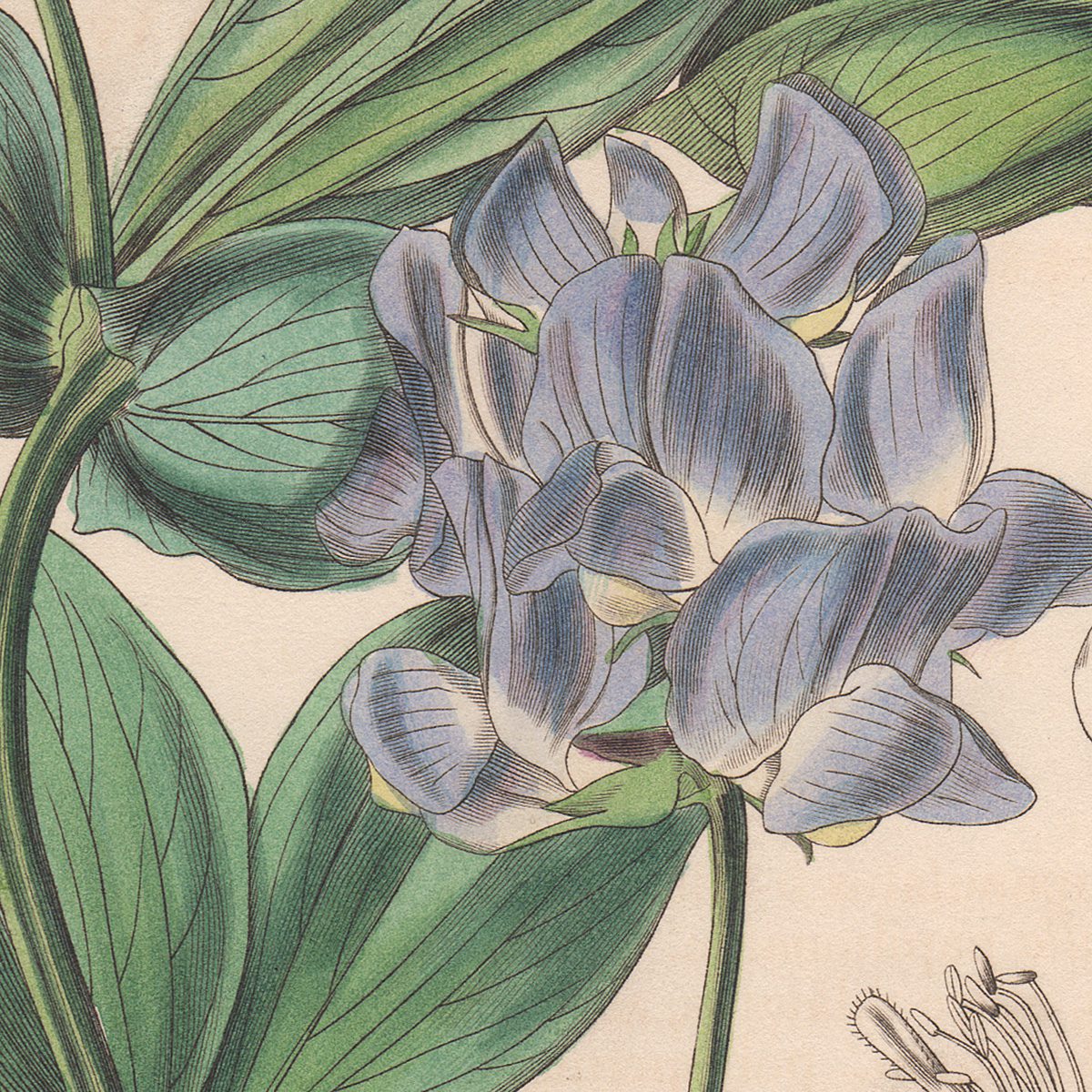
Fabaceae (Legume Family): Includes peas, beans, and peanuts, known for their nitrogen-fixing abilities and importance in agriculture.
Orchidaceae (Orchid Family): One of the largest and most diverse families, famous for their complex and often exotic flowers.
Asteraceae (Sunflower Family): Another massive family that includes sunflowers, daisies, and asters, characterized by composite flower heads.
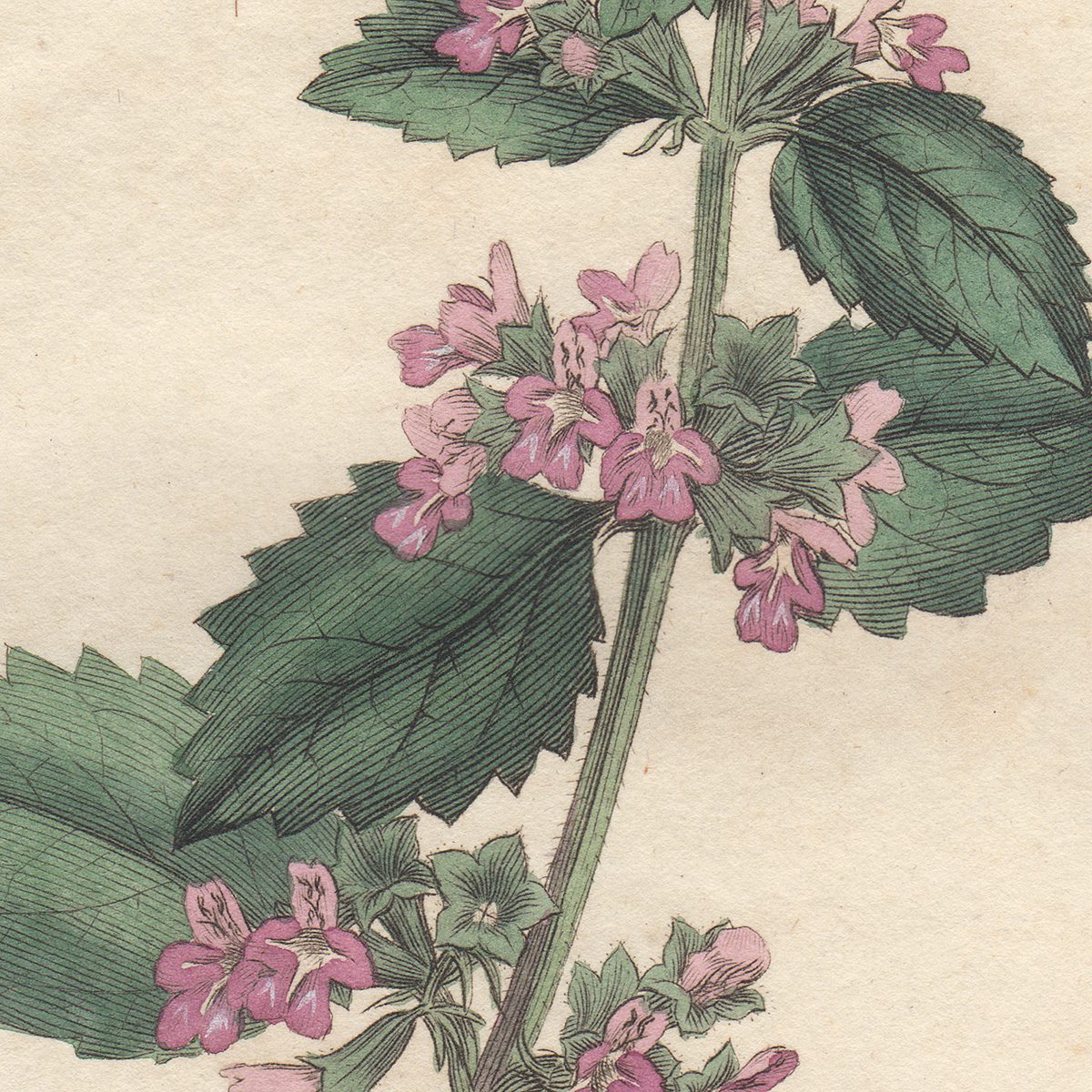
Explore the Most Popular Flowering Plant Families




Genus and Species
At the most specific levels, plants are classified by their genus and species. For instance, the scientific name for the common sunflower is Helianthus annuus, where Helianthus is the genus, and annuus is the species.
Evolutionary History of Angiosperms
Angiosperms first appeared around 140 million years ago, during the Cretaceous period, and quickly became the dominant form of plant life. Their success is largely due to their specialized reproductive structures: flowers and fruits.
Flowers: Unlike gymnosperms, which rely on wind pollination, the flowers of angiosperms attract pollinators like insects, birds, and mammals, allowing for more efficient and targeted pollination.
Fruits: After pollination, the fertilized ovules develop into seeds, which are enclosed in fruits. This adaptation protects the seeds and often aids in their dispersal through animals, water, or wind.
Over time, angiosperms have evolved into countless forms, from tiny, delicate wildflowers to enormous hardwood trees. This adaptability has allowed them to colonize nearly every habitat on Earth, from arid deserts to tropical rainforests.
The Role of Botanical Illustration in the Study of Angiosperms
Before the advent of modern photography and molecular techniques, botanical illustration was the primary tool used by scientists, naturalists, and explorers to document and study the plant world. The detailed accuracy of these illustrations was essential in the classification and taxonomy of angiosperms, as well as in communicating new species to the scientific community.
Explore Our Product Hierarchy of All Living Things
Accuracy and Detail in Plant Identification
Botanical illustrations emphasize the precise representation of a plant’s anatomical features—leaves, flowers, seeds, and roots—allowing scientists to distinguish between closely related species. In taxonomic studies, small differences in leaf shape, petal arrangement, or stamen structure can be critical in identifying species and placing them correctly within the taxonomy.
Famous works like Sowerby’s English Botany and Audubon’s Birds of America relied on the skills of illustrators to convey the subtle variations in plant and animal species. In the study of angiosperms, this accuracy enabled botanists to explore the relationships between species, leading to the development of comprehensive classification systems.
Contribution to Early Scientific Exploration
During the Age of Exploration, many new plant species were discovered and needed documentation. Explorers would often travel with skilled botanical illustrators who created life-like representations of the plants they encountered. These illustrations, such as those in Carl Linnaeus’s Systema Naturae and Sir Joseph Banks’s work during Captain Cook’s expeditions, played a vital role in expanding European knowledge of global flora, especially angiosperms.
Without botanical illustrations, much of the early work in taxonomy would have been limited by the ability to describe plants accurately through text alone. The illustrations made it possible for botanists to compare species across continents, even without having live specimens in front of them.
Aesthetic and Educational Value
Beyond their scientific function, botanical illustrations possess a timeless aesthetic quality that continues to be valued today. Artists like Pierre-Joseph Redouté, known for his detailed paintings of roses and lilies, have contributed not only to the science of botany but also to the art world. The beauty and precision of these illustrations have inspired generations of botanists, artists, and nature enthusiasts, bridging the gap between art and science.
Botanical illustration remains important even in the digital age, where photography and imaging techniques often lack the precision needed to convey critical aspects of plant anatomy. A skilled botanical illustrator can emphasize specific traits while omitting background details, ensuring that the focus remains on the essential elements required for classification.

Modern Taxonomy and the APG System
Taxonomy is an evolving field, and the classification of angiosperms has undergone significant changes with advancements in molecular biology. The Angiosperm Phylogeny Group (APG) system is a modern, widely accepted classification based on genetic data rather than solely on physical traits. This has led to more accurate evolutionary relationships among flowering plants, reshaping our understanding of how species are connected.
Why Is Angiosperm Taxonomy Important?
Biodiversity Conservation: Knowing how species are related helps conservationists identify which species are most vulnerable and develop strategies to protect them.
Agriculture and Horticulture: Proper classification aids in the breeding of crops and ornamental plants, allowing for better cultivation techniques and hybridization.
Pharmacology: Many medicines are derived from flowering plants, and understanding their taxonomy is vital for identifying new sources of medicinal compounds.

The taxonomy of angiosperms is a fascinating field that reveals the incredible diversity and adaptability of flowering plants. From the stunning orchids to the humble beans that feed us, angiosperms have evolved into a vast array of forms, each playing a unique role in ecosystems and human life. Botanical illustration, with its blend of art and science, has been indispensable in documenting and understanding this diversity. As our understanding of plant genetics continues to grow, and as we continue to explore and illustrate the natural world, the classification of angiosperms will likely evolve further, offering even deeper insights into the intricate relationships that bind the plant kingdom together.